
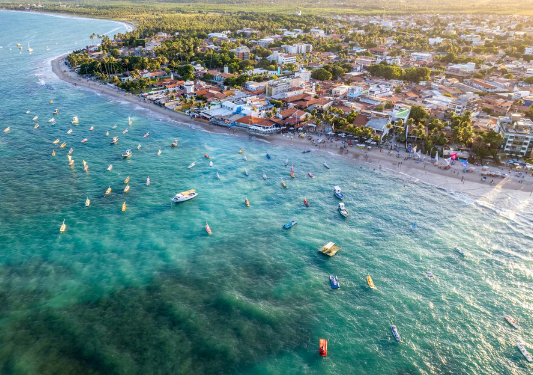
The Bahia coastline, located in Brazil, is renowned for its stunning coral reefs and vibrant tropical beach systems. These ecosystems are not only beautiful but also crucial for marine biodiversity and local economies. Exploring their significance and the need for conservation can greatly enhance our appreciation and efforts toward sustaining these natural treasures.
1. The Marine Biodiversity of Bahia’s Coral Reefs
Coral reefs along the Bahia coastline are home to an incredible variety of marine life, including more than 1,500 species of fish, numerous mollusks, and a myriad of invertebrates. The intricate structures of these reefs provide essential habitats for many species, including endangered turtles and various types of sharks. Protecting these ecosystems is critical, as they contribute not only to biodiversity but also to the overall health of the ocean.
Moreover, the reefs serve as a natural barrier against storms, reducing coastal erosion and protecting beachfront communities. Activities like fishing, snorkeling, and ecotourism thrive due to the rich marine life, making the reefs an economic asset for local populations. The economic benefits align closely with the need to implement sustainable practices to ensure that biodiversity is preserved while promoting responsible recreation and tourism.
-
- Support local conservation initiatives.
-
- Participate in guided snorkeling tours to minimize impact.
-
- Follow local regulations regarding fishing.
-
- Avoid touching or standing on coral.
-
- Use biodegradable sunscreen to protect marine life.
2. The Unique Tropical Beach Systems of Bahia
The tropical beaches of Bahia are not just picturesque; they are vital ecosystems that play a significant role in the coastal environment. These sandy shores are often bordered by dunes and mangroves, which serve as essential barriers against coastal erosion and provide nurseries for various marine species. The interplay between sand, water, and vegetation creates a dynamic habitat for wildlife.
Additively, these beach systems are critical for human recreational activities. Visitors can partake in surfing, beach volleyball, and family gatherings, while local vendors thrive by selling crafts and food along the shoreline. However, with increasing tourism, it is essential to implement responsible beach management practices to preserve these ecosystems for future generations.
-
- Carry out beach clean-ups regularly.
-
- Respect local wildlife during nesting seasons.
-
- Check for local guidelines on beach usage.
-
- Encourage the use of reusable containers over single-use plastics.
-
- Educate others about the importance of beach conservation.
3. Threats and Conservation Efforts
Conservation efforts in Bahia are becoming increasingly crucial as awareness grows. Programs focusing on marine protected areas aim to restrict damaging activities and promote sustainable practices. Local NGOs are also organizing community engagement initiatives to educate residents about the importance of preserving these ecosystems. Every small effort counts and contributes to the longevity of these vital habitats.
- Advocate for stronger environmental policies locally.
- Participate in community awareness programs.
- Monitor changes in local marine life.
- Support eco-friendly products in daily life.
- Promote responsible tourism practices.
Exploring Bahia’s coral reefs and tropical beach systems reveals their immense value to both our environment and local communities. Protecting these natural wonders is not just a local issue but a global imperative. Whether you’re a local or a visitor, consider how your actions can contribute to the preservation of these vital ecosystems.