
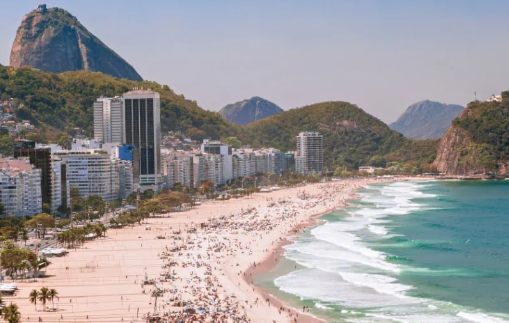
Copacabana Beach is one of the most iconic urban beaches in the world, located in Rio de Janeiro, Brazil. Its vibrant atmosphere, beautiful landscapes, and unique coastal geography make it a fascinating subject for exploration.
1. The Unique Coastal Geography of Copacabana
Copacabana Beach stretches approximately 4 kilometers along the Atlantic coastline. What makes its geography distinctive is not just its length but also its crescent shape, which provides a natural amphitheater effect, contrasting with the surrounding urban landscape. This setup influences local weather patterns and contributes to the beach’s microclimate, making it warmer and more humid than the nearby areas, catering to sunbathers and tourists alike.
The beach is flanked by Morro do Leme on one end and the iconic Sugarloaf Mountain in the distance, forming a picturesque backdrop. These geographical features not only enhance the beach’s beauty but also provide various recreational opportunities such as hiking and rock climbing. The combination of mountains and ocean creates a specific wind pattern, which is particularly favorable for surfers and water sports enthusiasts.
-
- Explore the surrounding hills for panoramic views.
-
- Be aware of wind patterns affecting water sports.
-
- Visit during different times of the day for varied atmospheres.
-
- Observe how the geography affects local flora and fauna.
2. The Urban Setting and Its Cultural Impact
The urban environment surrounding Copacabana Beach is just as vital to its character. The bustling avenue, Avenida Atlântica, runs parallel to the beach and is lined with hotels, restaurants, and shops. This urban setting contributes to Copacabana’s vibrant culture, making it a hub for social gatherings, events, and festivals, such as New Year’s Eve celebrations that draw millions of visitors each year.
Architecture plays a significant role in defining the atmosphere. The famous Copacabana Palace Hotel is an art-deco masterpiece, while the winding sidewalks, designed by Roberto Burle Marx, utilize wave patterns that reflect the ocean’s motion. This blend of cultural elements highlights how urban design and coastal geography can create a unique space for residents and tourists alike.
-
- Participate in local events to understand the culture better.
-
- Visit historical landmarks to appreciate architecture.
-
- Take time to explore local cuisine offered by beachfront vendors.
-
- Engage with local artists and performers at Avenida Atlântica.
3. Environmental Challenges and Conservation Efforts
While Copacabana Beach is a stunning urban escape, it faces various environmental challenges. The influx of tourists can lead to pollution and littering, impacting water quality and marine life. Additionally, coastal erosion poses a significant risk, threatening both natural habitats and the cultural landmarks lining the beach.
Efforts are underway to combat these issues. Local governments and organizations are implementing beach clean-up programs and awareness campaigns to educate visitors about responsible tourism. Moreover, ecological restoration projects are designed to rejuvenate native plant species that further stabilize the beach and support local wildlife. These initiatives highlight the importance of balancing urban development with environmental stewardship.
-
- Participate in beach clean-up events.
-
- Follow signs and regulations to minimize environmental impact.
-
- Support local businesses practicing sustainability.
-
- Stay informed about conservation efforts and programs.
Copacabana Beach offers not just stunning vistas but also a unique experience that blends urban life with natural beauty. Whether you’re hiking the hills, relaxing on the sand, or engaging with the local culture, your visit can contribute to preserving this gem for future generations. Make the most of your trip by being both a responsible tourist and an active participant in local conservation efforts.