
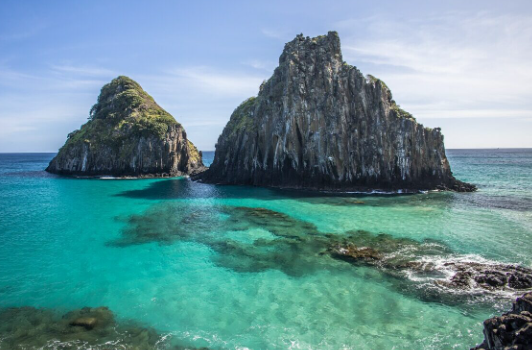
Fernando de Noronha is an archipelago brimming with natural beauty and stunning beaches renowned for their crystal-clear waters. This blog post will explore the unique ecosystems of these beaches, highlighting their rich biodiversity and the role that conservation plays in preserving this natural paradise.
1. Understanding the Ecosystems of Fernando de Noronha
The ecosystems found within Fernando de Noronha are primarily coastal, featuring coral reefs, sandy beaches, and rocky shorelines. These ecosystems support a diverse range of marine life, from colorful fish to complex coral structures. The crystal-clear waters are a result of low turbidity and minimal pollution, making it one of the best locations for snorkeling and diving in Brazil.
The beaches themselves, such as Baía do Sancho and Praia do Leão, serve as critical habitats for various species, including endangered sea turtles. Understanding these ecosystems is vital for the preservation efforts, which aim to maintain the delicate balance between tourism and nature conservation.
-
- Research local marine life before visiting.
-
- Be mindful of seasonal breeding patterns for turtles.
-
- Participate in guided eco-tours to learn more.
-
- Use biodegradable products while on the beaches.
2. The Importance of Marine Conservation
Marine conservation in Fernando de Noronha is essential for protecting its rich biodiversity. The archipelago has been designated a UNESCO World Heritage Site, emphasizing the global significance of its ecosystems. Conservation efforts are aimed at preventing overfishing, protecting coral reefs, and ensuring that tourism is sustainable.
Local educational programs teach visitors about the importance of marine life and the steps they can take to minimize their impact. These initiatives not only protect the ecosystem but also enhance the visitor experience by providing deeper insights into the region’s unique environment.
-
- Always follow local guidelines for marine activities.
-
- Avoid touching or stepping on coral reefs.
-
- Don’t litter; take your trash with you.
-
- Support local businesses that prioritize sustainability.
3. The Role of Eco-Tourism in Ecosystem Awareness
Eco-tourism has become a pivotal part of the economy in Fernando de Noronha. Tourists are increasingly drawn to the island’s unspoiled natural beauty, and eco-friendly tourism practices are gaining traction. This trend not only fuels the local economy but also raises awareness about the need to protect these delicate ecosystems.
Participants in eco-tours often engage in activities such as beach clean-ups, snorkeling in designated protected areas, and educational talks led by marine biologists. Engaging in these types of tourism ensures that visitors contribute positively to the environment while enjoying the unique experiences the islands offer.
-
- Choose eco-friendly accommodations.
-
- Opt for tours that focus on conservation efforts.
-
- Engage with local communities to learn about their conservation practices.
-
- Share your experiences on social media to promote awareness.
In conclusion, the crystal waters and unique ecosystems of Fernando de Noronha are treasures worth exploring and protecting. By understanding and supporting conservation efforts, you can make a meaningful impact while enjoying the beauty of this remarkable destination. Consider engaging in eco-tourism or contributing to local conservation projects to help preserve its natural wonders for future generations.