
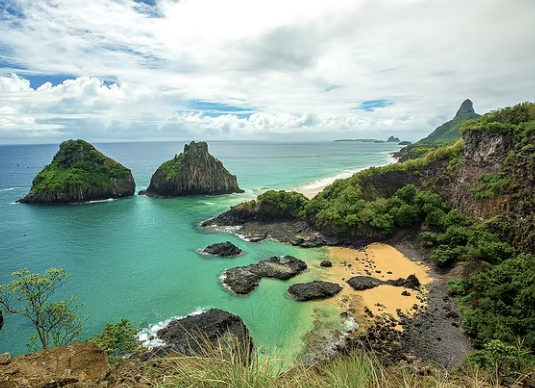
Fernando de Noronha, a stunning archipelago located off the northeastern coast of Brazil, is celebrated for its breathtaking landscapes and rich marine biodiversity. Protected as a marine park, the region has put in place specific conservation rules to ensure the sustainability of its delicate ecosystems. This blog post explores the conservation rules you need to know if you plan to visit this natural paradise.
1. Understanding the Conservation Zone
The first crucial aspect of conservation rules in Fernando de Noronha involves understanding the various conservation zones within the marine park. The park is divided into different zones, each with its own set of regulations. The full protection zone prohibits any form of fishing, collecting marine life, or other activities that could harm the ecosystem. For instance, the Sancho Bay area is notable for its underwater beauty and must be preserved to maintain the habitats of various aquatic species.
In addition to full protection zones, there are also areas designated for controlled tourism and recreational activities. These zones allow snorkeling and diving, but strict guidelines dictate the conduct of visitors to minimize environmental impact. It’s vital to be aware of which zones allow which activities during your stay.
-
- Check the zoning map available at visitor centers.
-
- Participate in guided tours that adhere to conservation rules.
-
- Familiarize yourself with restricted areas before visiting.
-
- Respect the boundaries set by park authorities.
2. Wildlife Interaction Guidelines
Visitors to Fernando de Noronha are often excited to encounter the unique wildlife that inhabits the region, such as dolphins, turtles, and rare birds. However, interaction with wildlife is subject to strict regulations to prevent disturbance and ensure the safety of both animals and humans. For example, approaching sea turtles while they are nesting is strictly forbidden to avoid stressing the animals during this vulnerable time.
Moreover, feeding wild animals is explicitly prohibited. Feeding can alter their natural behaviors and disrupt the delicate balance of the ecosystem. Whenever you encounter marine life such as sea lions while snorkeling, observe from a respectful distance and avoid any actions that could harm or frighten them.
-
- Observe wildlife from a safe distance.
-
- Never feed or touch marine animals.
-
- Follow guidelines provided by local guides.
-
- Report any illegal activity to park authorities.
3. Sustainable Practices for Tourists
Sustainable tourism practices are essential for the conservation of Fernando de Noronha. Visitors are encouraged to adopt behaviors that minimize their environmental footprint. Simple actions like using reef-safe sunscreen can mitigate the harmful effects of chemicals on marine ecosystems. In addition, using reusable water bottles helps reduce plastic waste, which is a significant concern in the area.
Furthermore, tourists should prioritize eco-friendly transportation methods. Walking, biking, or using electric vehicles can significantly reduce carbon emissions while preserving the pristine nature of the archipelago. Additionally, visitors should consider local accommodations that adhere to sustainable practices.
-
- Use eco-friendly sunscreen and personal care products.
-
- Carry a reusable water bottle to reduce plastic usage.
-
- Opt for local eco-lodges committed to sustainable practices.
-
- Explore the area on foot or by bike whenever possible.
In summary, respecting the conservation rules of Fernando de Noronha is not just a legal requirement but also a moral one. By adhering to these guidelines, you contribute to preserving this unique and beautiful environment for future generations. Taking the time to understand and follow these rules can enhance your experience while ensuring the well-being of the archipelago’s natural treasures.