
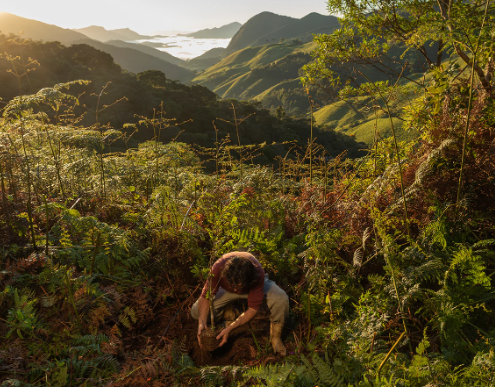
The Atlantic Forest, one of the world’s most biodiverse ecosystems, faces significant environmental challenges due to urban encroachment. As cities expand and infrastructure develops, the intricate balance of this unique environment is threatened, impacting both wildlife and human communities. Understanding these challenges is essential for anyone interested in environmental conservation and sustainable urban development.
1. The Impact of Urban Expansion on Biodiversity
Urban encroachment leads to habitat fragmentation, one of the most severe consequences for biodiversity in the Atlantic Forest. When buildings, roads, and other infrastructure are constructed, natural habitats become divided into smaller, isolated patches. This isolation makes it difficult for species to migrate, access food sources, and reproduce, significantly diminishing their populations over time. For example, many species of birds and mammals in the Atlantic Forest have experienced declining numbers due to these barriers.
Furthermore, urban expansion often introduces invasive species that can outcompete native flora and fauna. As cities grow, landscaping choices usually favor non-native plants that can disrupt local ecosystems. These invasive species can alter the natural dynamics of the ecosystem, further stressing native wildlife. For instance, plants like the golden shower tree (Tabebuia aurea) may thrive and push out species that are vital to local pollination and seed dispersal functions.
-
- Support local wildlife conservation programs.
-
- Plant native species in gardens to provide habitat for local fauna.
-
- Participate in community initiatives to clean and restore fragmented habitats.
-
- Stay informed about local urban planning and its ecological impacts.
2. Water Management and Pollution Challenges
Urbanization places immense pressure on water resources in the Atlantic Forest region. Runoff from paved surfaces carries pollutants such as oil, heavy metals, and chemicals into rivers and streams, degrading water quality. Additionally, increased demand from growing populations can lead to over-extraction of local water sources, threatening the delicate balance of aquatic ecosystems and the health of surrounding communities.
Moreover, the loss of vegetation due to urbanization diminishes the forest’s ability to regulate the water cycle effectively. Trees play a crucial role in absorbing rainfall, preventing soil erosion and flooding. Without this protective cover, urban areas within the Atlantic Forest are more susceptible to water-related disasters and habitat loss. In extreme cases, flooding can wash pollutants further into the ecosystem, causing widespread environmental damage.
-
- Use rainwater harvesting systems in homes to reduce pressure on local aquifers.
-
- Advocate for green infrastructure, such as permeable pavements and green roofs.
-
- Limit the use of pesticides and fertilizers to decrease runoff pollution.
-
- Participate in local clean-water initiatives to protect aquatic environments.
3. Community Engagement and Education
Addressing the environmental challenges posed by urban encroachment requires active community involvement and education. Local communities can lead efforts to promote sustainable practices by participating in public forums and collaborating with governmental agencies. Awareness campaigns can help impart knowledge about the importance of the Atlantic Forest and ways residents can minimize their impact on the environment.
Educational initiatives focused on younger generations play a crucial role as well. By integrating environmental science into school curricula, students can better understand their connection to the local ecosystem. Field trips, community gardens, and direct involvement in reforestation projects can help foster a sense of responsibility and connection to the Atlantic Forest among children and teens.
-
- Get involved in local environmental groups or clubs.
-
- Attend workshops focused on sustainable urban living practices.
-
- Create or participate in community-based projects, like tree planting days.
-
- Share your knowledge of sustainability with friends and family to raise awareness.
In conclusion, the Atlantic Forest is under significant strain from urban encroachment, affecting its biodiversity, water resources, and community well-being. By understanding these challenges, you can take meaningful steps to support conservation efforts and help foster a healthier environment. Consider reaching out to local organizations or starting your own initiatives to promote sustainability in your community.