
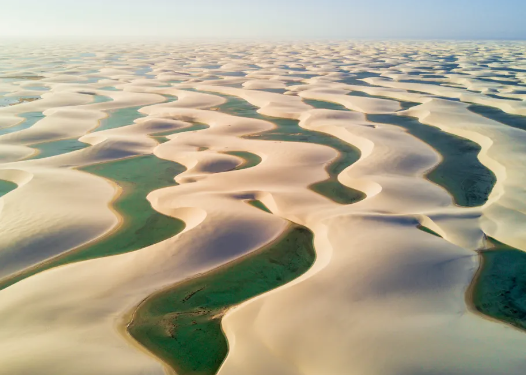
Lençóis Maranhenses National Park is a breathtaking natural wonder located in northeastern Brazil. This unique ecosystem features sprawling white sand dunes interspersed with beautiful freshwater lagoons, creating an enchanting landscape that attracts nature lovers and adventurers alike.
1. Understanding the Formation of the Freshwater Lagoons
The freshwater lagoons found in Lençóis Maranhenses are formed primarily during the rainy season, which lasts from December to May. As rainwater collects in the depressions between the dunes, these shallow ponds are created, filled with crystal-clear water that seeps slowly into the sandy ground. The incredible geographic features play a crucial role in trapping this water, allowing the lagoons to remain full even in the hotter months.
Over time, the interplay between the rain, wind, and sunlight has sculpted the landscape into a mesmerizing patchwork of dunes and lagoons. These formations not only serve as a habitat for various species but also present a stunning visual display that varies significantly with the seasons. The height of the dunes can reach up to 40 meters, and during the dry season, the lagoons can shrink dramatically, altering the landscape continually.
-
- Visit during the rainy season for full lagoons.
-
- Understand the area’s unique geography to appreciate its beauty.
-
- Check weather forecasts for rain prediction and seasonality.
-
- Be prepared for sudden weather changes typical in tropical locales.
2. Biodiversity in the Lagoons and Dunes
The Lençóis Maranhenses ecosystem is rich in biodiversity, hosting a variety of flora and fauna. The lagoons support numerous species of aquatic plants, which in turn provide habitat for fish and other wildlife. The surrounding dunes boast special xerophytic plants, adapted to thrive in dry and sandy conditions, contributing to their resilience against the harsh climate.
The region serves as a critical habitat for various bird species as well, particularly migratory birds that populate the lagoons during specific seasons. Endangered species such as the Giant Anteater and the Marsh Deer can also be spotted in the area, underscoring the ecological significance of the park. This unique blend of habitats creates a vibrant environment, making it an essential area for conservation and environmental studies.
-
- Bring binoculars for birdwatching.
-
- Participate in local conservation efforts to protect wildlife.
-
- Take guided tours to learn about local biodiversity.
-
- Document different species observed during visits.
3. Importance of Preservation and Sustainable Tourism
Preserving the Lençóis Maranhenses ecosystem is vital to maintaining its beauty and biodiversity. The increasing popularity of eco-tourism in the area poses both opportunities and challenges, as more visitors come to experience its unique landscape. However, unsustainable tourism practices could potentially harm the delicate ecosystem, leading to soil compaction and water contamination.
To support sustainable tourism and conservation efforts, local organizations have implemented guidelines and best practices for tourists. These include educating visitors on the importance of minimizing water usage, avoiding littering, and respecting wildlife. By adopting these practices, both tourists and locals can ensure that future generations will enjoy the breathtaking beauty of Lençóis Maranhenses.
-
- Follow park rules and guidelines during your visit.
-
- Choose eco-friendly travel options when available.
-
- Support local businesses that prioritize sustainability.
-
- Practice “Leave No Trace” principles in natural areas.
In conclusion, the freshwater lagoon ecosystem of Lençóis Maranhenses is not only visually stunning but is also crucial for local biodiversity and ecological health. As you plan your visit, consider how you can contribute to the preservation of this unique environment for the enjoyment of future generations. Embrace the opportunity to witness one of nature’s masterpieces, and become an advocate for sustainable practices in the region.