
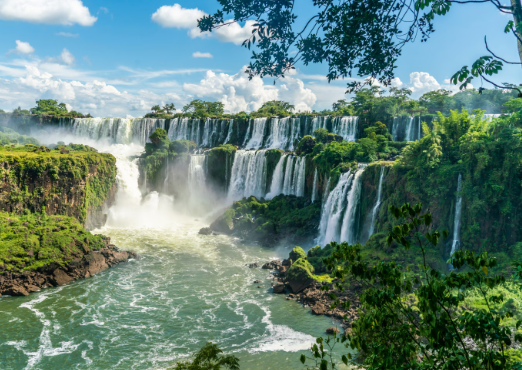
Exploring the Iguazu Falls is not just about witnessing the breathtaking waterfalls; it’s also an opportunity to delve into the rich rainforest ecosystem that surrounds them. This dense region, home to numerous flora and fauna, plays a crucial role in the Earth’s biodiversity and natural balance.
1. The Biodiversity of the Iguazu Rainforest
The rainforest surrounding Iguazu Falls boasts an impressive array of biodiversity. Home to over 2,000 plant species, this area serves as a critical habitat for countless animal species, including jaguars, tapirs, and howler monkeys. Many of these species are threatened, highlighting the need for conservation. The intricate web of life in this ecosystem demonstrates how interdependent plants and animals are, forming a delicate balance that is essential for their survival.
In addition to larger animal species, the rainforest is alive with smaller creatures such as insects, amphibians, and reptiles. Birds like the toucan and harpy eagle soar above while the rainforest floor buzzes with life. Understanding this biodiversity is essential, as it supports the local climate and protects against soil erosion, making it vital for those who live in and around this area.
-
- Visit the rainforest during the early morning for the best chance of wildlife sightings.
-
- Consider guided tours to learn about the specific plants and animals you encounter.
-
- Bring binoculars and a field guide to enhance your experience.
-
- Participate in conservation efforts to protect the fragile ecosystem.
2. The Role of Waterfalls in Ecosystem Dynamics
Iguazu Falls is not just a stunning display of nature’s power; it serves crucial ecological functions as well. The falls create microclimates and diverse habitats by misting the area and influencing local weather patterns. This moisture supports the unique flora that thrives in these conditions, while also attracting various animal species that rely on the humidity.
Additionally, waterfalls play a vital role in nutrient cycling within the rainforest ecosystem. As water flows over the rocks, it carries vital minerals downstream, enriching the soil and providing nourishment to plants. This natural process helps sustain the vibrant life found around the falls, illustrating the interconnectedness of water, plants, and animals.
-
- Observe how water dynamics affect local vegetation during your visit.
-
- Learn about the mineral composition of the waters that cascade down the falls.
-
- Respect the environment by staying on designated paths to minimize impact.
-
- Support local conservation initiatives focused on waterfall preservation.
3. Conservation Efforts and Challenges
Environmental protection measures are crucial for ensuring the longevity of the Iguazu rainforest. Several organizations work tirelessly to safeguard this rich ecosystem from threats such as deforestation and poaching. These initiatives often involve reforestation programs, habitat protection, and education to raise awareness about the significance of preservation.
Despite the efforts, challenges remain. Climate change poses a significant risk, impacting rainfall patterns and temperatures. Additionally, tourism can create pressure on local habitats if not managed sustainably. It is essential for visitors and local communities to work together to foster an environment where both nature and human activities can coexist harmoniously.
-
- Choose eco-friendly tour operators committed to conservation.
-
- Participate in local clean-up efforts to protect the environment.
-
- Educate yourself and others about the importance of rainforest ecosystems.
-
- Support products and services that prioritize sustainability.
4. The Tourism Connection: Balancing Ecotourism and Conservation
Tourism in the Iguazu area can boost the local economy, but it also holds responsibility for the ecosystems it showcases. Ecotourism focuses on responsible travel to natural areas, emphasizing conservation and sustainability. This way, visitors contribute positively while enjoying the stunning landscapes and wildlife that the rainforest has to offer.
To benefit both tourists and the environment, many parks and tour guides implement strict guidelines for visitors. These regulations help minimize human impact, ensuring the rainforest remains intact for future generations. Tourists can enhance their experience by engaging in respectful practices and supporting local conservation efforts.
-
- Research the environmental impact of your travel choices.
-
- Follow guidelines set by local parks and tour companies.
-
- Reduce waste by bringing reusable containers and bags.
-
- Consider off-peak travel to ease the strain on natural resources.
Visiting the Iguazu Falls and its surrounding rainforest offers a unique vantage point into the interconnectedness of nature. By embracing eco-conscious practices, you can contribute to sustaining this vital ecosystem. Whether you’re exploring the diverse wildlife or learning about conservation efforts, your engagement makes a difference.