
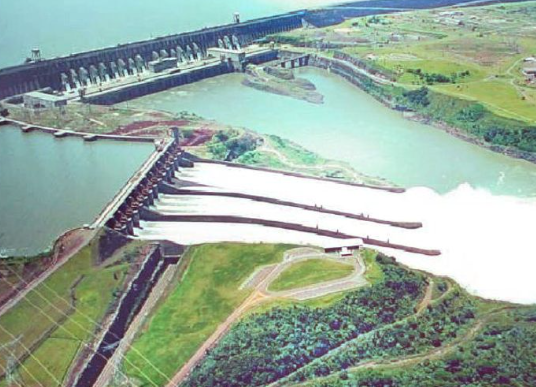
Iguazu Falls, one of the most breathtaking natural wonders of the world, is not only a tourist attraction but also a significant site for hydropower generation and river engineering. Understanding the impact of hydroelectric projects on this essential ecosystem helps us appreciate the balance between energy needs and environmental conservation. Let’s delve into the complexities of the hydropower initiatives around Iguazu Falls and how river engineering is shaping its future.
1. Overview of Hydropower at Iguazu Falls
The Iguazu Falls region sits at the border of Argentina and Brazil, where large waterfalls crash down with immense force, creating an advantageous site for hydropower generation. The Itaipu Dam, located a short distance away, is one of the largest hydroelectric power plants in the world and significantly contributes to the energy supply of both Brazil and Paraguay. This dam harnesses the power of the Parana River, which feeds into the Iguazu River, illustrating the interconnectedness of these vital water systems.
Hydropower has become increasingly important in meeting the energy demands of rapidly growing populations in South America. The advantages of harnessing water flow for electricity lie in its renewable nature and minimal greenhouse gas emissions compared to fossil fuels. However, the construction and operation of such facilities often raise concerns about ecological impacts, including altered river flows and effects on local wildlife.
-
- Research and understand local hydropower initiatives.
-
- Explore options for sustainable energy alternatives.
-
- Stay informed about policies regulating water and energy use.
-
- Discuss with engineering and environmental experts.
2. Environmental Impacts of River Engineering
While hydropower offers undeniable advantages, river engineering projects can disrupt local ecosystems and biodiversity. Altered water levels can lead to changes in plant and animal habitats, affecting species that rely on specific environmental conditions. For instance, species like the Yacaré caiman and various fish species are particularly vulnerable to changes in water flow patterns.
Moreover, damming rivers can lead to sediment buildup, which adversely affects the natural erosion and deposition processes that sustain the ecological health of river environments. Understanding these impacts is vital not only for preserving local wildlife but also for maintaining the region’s tourism appeal, which heavily relies on its natural beauty.
-
- Conduct environmental assessments before projects begin.
-
- Monitor ecosystem changes regularly post-construction.
-
- Encourage community involvement in conservation efforts.
-
- Implement eco-friendly engineering practices.
3. Balancing Energy Needs and Conservation
The challenge for policymakers and engineers is striking the right balance between meeting energy demands and protecting the environment. Effective management strategies can include developing smaller hydro projects, enhancing energy efficiency, and investing in alternative renewable energy sources such as wind and solar. These alternative measures can alleviate stress on the Iguazu region’s natural resources while promoting sustainability.
Future river management techniques also focus on optimizing existing infrastructures rather than building new ones, which can help reduce further ecological disruptions. Innovations in technologies such as fish passage systems can facilitate marine life movement, ensuring that energy generation doesn’t come at the expense of biodiversity.
-
- Advocate for cleaner energy policies.
-
- Support sustainable tourism practices.
-
- Participate in local conservation initiatives.
-
- Educate others on the importance of ecological balance.
4. The Role of Local Communities in Conservation
Local communities play a crucial role in fostering conservation efforts around the Iguazu Falls. Awareness initiatives can involve education programs focusing on eco-friendly practices, and the preservation of local biodiversity. Engaging the community ensures that residents understand the benefits of maintaining a balance between energy production and ecological health.
Furthermore, local tourism businesses and organizations can prioritize sustainable practices and promote eco-tourism, drawing in visitors who are conscious of their environmental impact. This shift in focus helps to protect the area while still benefiting from economic activities related to tourism and hydropower.
-
- Encourage local workshops on conservation practices.
-
- Support eco-friendly businesses in the region.
-
- Engage youth in environmental activism.
-
- Network with other communities facing similar challenges.
Iguazu Falls stands at a critical juncture, where the need for energy must be weighed against the responsibility to protect its stunning natural beauty and the ecosystems it houses. By promoting responsible management and sustainable practices, we can ensure that this iconic site continues to thrive for generations to come. Consider exploring local initiatives or professional advice on sustainable energy use and conservation techniques to contribute positively to this incredible region.