
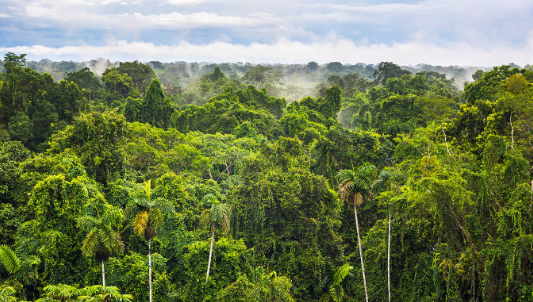
The Amazon basin, often referred to as the “lungs of the Earth,” plays a crucial role in carbon storage, significantly influencing global climate. Its vast rainforest ecosystem offers an unparalleled capacity for absorbing carbon dioxide, making it essential for mitigating climate change.
1. The Importance of Carbon Storage in the Amazon Basin
The Amazon rainforest sequesters an astonishing amount of carbon. Estimates suggest that it stores about 120 billion metric tons of carbon, which helps to regulate atmospheric carbon dioxide levels. This natural process of carbon storage occurs primarily through photosynthesis, where trees absorb CO2 and convert it into biomass. The sheer size of the Amazon, covering around 5.5 million square kilometers, amplifies this effect, acting as a critical buffer against climate change.
Furthermore, the diversity of plant life in the Amazon enhances its carbon storage capabilities. Different tree species have varying growth rates and carbon uptake potentials. For instance, fast-growing species can sequester large amounts of carbon in a shorter period, while others may store carbon for decades. Thus, preserving this biodiversity is crucial not only for maintaining the forest’s health but also for optimizing its role in carbon capture.
-
- Support efforts to preserve natural habitats.
-
- Encourage policies aimed at reforestation and afforestation.
-
- Educate yourself about the different species contributing to carbon storage.
-
- Participate in local conservation initiatives.
-
- Minimize your carbon footprint to help reduce overall CO2 levels.
2. Challenges to Carbon Storage in the Amazon
Despite its vital role, the Amazon basin faces significant challenges that threaten its ability to store carbon effectively. Deforestation, driven by agriculture, logging, and land development, leads to the release of stored carbon back into the atmosphere. When trees are cut down or burned, not only is the carbon they contain released, but the loss of forest area diminishes the ecosystem’s future carbon capture capacity. This creates a vicious cycle that exacerbates climate change.
Climate change itself poses further challenges to the Amazon’s carbon storage. Increasing temperatures and changing precipitation patterns can lead to wildfires and droughts, which are devastating for both biodiversity and carbon storage. For example, prolonged dry spells can weaken the trees, making them more susceptible to pests and diseases, which can ultimately result in increased carbon emissions. The interplay of these factors highlights the urgent need for multi-faceted approaches to conservation and climate mitigation.
-
- Be aware of consumer choices that contribute to deforestation.
-
- Advocate for sustainable agricultural practices.
-
- Stay informed about climate policies affecting the Amazon.
-
- Engage with organizations working to combat climate change.
3. The Global Role of the Amazon in Climate Regulation
The Amazon basin doesn’t just affect local climates; its impact is global. The forest interacts with atmospheric systems, influencing rainfall patterns not only in South America but also in regions as far away as North America and Europe. This phenomenon occurs through the release of water vapor from trees, which helps in cloud formation and precipitation. Without a healthy Amazon, many regions could experience altered weather patterns, leading to droughts or flooding.
Moreover, preserved forests in the Amazon contribute to enhanced biodiversity which is crucial for ecological stability. Healthy forests support countless species, many of which have not yet been studied. The ecological balance maintained by this biodiversity plays a vital role in ensuring continued carbon sequestration. Therefore, protecting the Amazon is directly linked to our capacity to manage global climate impacts effectively.
-
- Learn about how climate systems work globally.
-
- Promote awareness of the Amazon’s role in global weather patterns.
-
- Participate in global initiatives aimed at combating climate change.
-
- Support research on biodiversity and climate systems.
In conclusion, understanding the Amazon basin’s carbon storage capabilities and their significance to global climate is vital. By taking informed actions to support conservation, we can all contribute to protecting this essential resource. Explore opportunities to get involved, whether through local initiatives or broader global movements, to help preserve our planet’s “lungs.”