
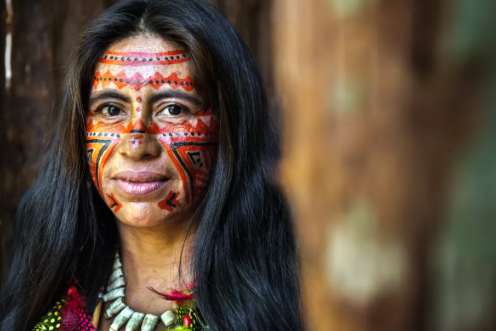
The Amazon rainforest is home to a rich tapestry of indigenous tribes, each with their unique cultures, traditions, and ways of life. Understanding these communities is vital not only for appreciating their historical significance but also for learning how they coexist with the delicate ecosystems of the Amazon. Let’s explore the vibrant cultures and essential practices of these indigenous tribes.
1. The Diverse Tribes of the Amazon
With over 400 distinct tribes, the Amazon is one of the most culturally diverse regions on Earth. Tribes such as the Yanomami, Kayapo, and Ashaninka each have their own languages, beliefs, and social structures. For instance, the Yanomami people inhabit areas across Brazil and Venezuela, relying on a communal lifestyle that emphasizes sharing resources and knowledge.
The Ashaninka tribe, known for their intricate weaving and vibrant textiles, has adapted well to modern influences while maintaining traditional practices. They often utilize sustainable farming methods that respect the land, ensuring their livelihood and cultural heritage can thrive amidst external pressures. Understanding the diversity of these tribes helps highlight their unique perspectives on nature and coexistence.
-
- Research the unique attributes of various Amazon tribes.
-
- Attend cultural events or festivals that celebrate indigenous heritage.
-
- Read books or watch documentaries to gain insights into their traditions.
-
- Volunteer with organizations that support indigenous communities.
2. Traditional Living Practices
Traditional living culture among Amazon tribes is deeply interwoven with their surroundings. Many tribes practice subsistence farming, hunting, and fishing, employing sustainable techniques that minimize waste and preserve biodiversity. For example, the Kayapo tribe utilizes a technique known as “slash-and-burn” agriculture, which allows them to cultivate crops while maintaining forest health.
Moreover, the use of natural resources is often based on cultural beliefs and rituals that honor the land. Many tribes see themselves as guardians of the forest, viewing the act of harvesting as a sacred duty. Such beliefs foster a deep respect for their environment, encouraging responsible resource management that can serve as a model for sustainable living worldwide.
-
- Learn about sustainable farming practices from indigenous sources.
-
- Explore ways to minimize waste in daily life.
-
- Support local artisans in preserving traditional crafts.
-
- Practice respect for natural resources in your own community.
3. The Role of Spirituality in Daily Life
Spiritual beliefs play a vital role in the daily lives of Amazon tribes, influencing their traditions, harvest festivals, and community gatherings. In many tribes, shamans hold significant positions, acting as healers and spiritual guides. Their profound understanding of the forest’s medicinal plants contributes to the tribes’ health and well-being, merging spirituality with practical knowledge.
Rituals are common in shaping social ties and community cohesion. For instance, the Marubo tribe celebrates communal events that include dance, music, and storytelling, reinforcing their cultural identity and collective spirit. Such traditions create bonds among community members, reinforcing the importance of unity, especially in the face of external challenges.
-
- Engage with local tribal communities to learn about their spiritual practices.
-
- Attend workshops or retreats focused on indigenous wisdom.
-
- Reflect on your own beliefs and how they connect to nature.
-
- Create a community project that celebrates local culture.
In conclusion, the Amazon’s indigenous tribes embody a profound connection to the environment, offering valuable lessons in sustainability, community living, and spirituality. By engaging with and learning from these cultures, we can foster a greater appreciation for diversity and the planet. Consider connecting with local initiatives or communities to deepen your understanding and support their efforts in preserving their heritage.