
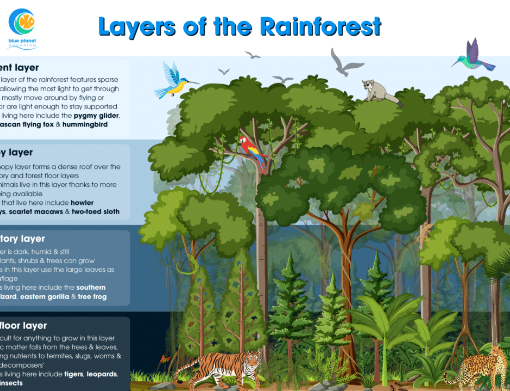
The Amazon rainforest is a treasure trove of biodiversity, featuring a complex structure that has fascinated scientists and nature enthusiasts alike. At its core are the distinct layers of the canopy, each home to a myriad of plant and animal life. Understanding these layers helps us appreciate the intricate web of life that thrives in this unique environment.
1. The Emergent Layer
The emergent layer is the highest layer of the rainforest and reaches heights of up to 200 feet. Here, towering trees stand out above the rest of the canopy, bathed in sunlight. These trees, known as emergents, have adaptations such as elongated trunks and broad, flat crowns that help them capture sunlight while avoiding the wind’s intensity.
Notable species found in the emergent layer include giant kapok trees and Brazil nut trees. The emergent layer not only houses a variety of birds, such as eagles and hawks, but also many insects and mammals, like monkeys and bats, that rely on this space for nesting and feeding. The conditions in this layer are often harsh, with strong winds and high temperatures, making it a challenging environment for life.
-
- Look for birds like the harpy eagle or toucan; their vibrant colors make them easy to spot.
-
- Observe the unique tree adaptations for survival in windy conditions.
-
- Take a guided tour to see this layer up close; binoculars can enhance your viewing experience.
-
- Consider visiting during bird migration seasons for optimal wildlife sightings.
2. The Canopy Layer
The canopy layer lies directly beneath the emergent layer, approximately 60 to 120 feet above the ground. It forms a dense, continuous layer made up of the crowns of tall trees, creating a rich habitat for a variety of species. This layer receives plenty of sunlight and rainfall, making it incredibly lush and fertile.
Home to about 50% of the rainforest’s plant and animal species, the canopy is often referred to as the “jungle” by locals due to its thick vegetation. Species such as sloths, various types of monkeys, and countless birds call this layer home. Moreover, the canopy acts as a crucial shield for the forest floor below, protecting it from heavy rains and strong winds while providing essential resources like food and shelter.
-
- Bring a camera to capture the vivid greenery and unique wildlife.
-
- Seek out canopy walks or aerial tours to get a unique perspective of this layer.
-
- Learn about the types of vines and epiphytes that thrive in the canopy.
-
- Participate in conservation efforts to protect this essential layer of the rainforest.
3. The Understory Layer
The understory layer is characterized by smaller trees and shrubs that grow between the canopy and the forest floor. This layer receives about 2-15% of sunlight, making it a shadowy and humid environment perfect for various plant species adapted to low light. It offers a calmer ecosystem, providing a vital habitat for many creatures that prefer protection from predators.
Animals such as jaguars, frogs, and colorful insects thrive in the understory, capitalizing on its dense foliage for shelter and hunting grounds. Plants in this layer tend to have large, broad leaves to maximize their water retention and light absorption. The understory is crucial in maintaining the overall health of the rainforest, as it aids in nutrient cycling and provides habitats for various organisms.
-
- Explore hiking trails designed for accessing the understory and discover its unique flora and fauna.
-
- Pay attention to the sounds; the understory is often filled with animal calls and rustling leaves.
-
- Use a field guide to identify different plant species and insects you encounter.
-
- Engage with local conservationists to learn about protecting this important layer.
4. The Forest Floor
The forest floor is the bottom-most layer of the rainforest, where decay and rebirth take center stage. Frequently shaded, this layer typically receives only 1-2% of available sunlight. As a result, it has a rich, dark, and damp atmosphere, fostering a diverse community of decomposers, fungi, and shrubs.
Wildlife here includes ground-level dwellers such as leafcutter ants, capybaras, and a variety of reptiles. The forest floor is essential as it recycles nutrients back into the ecosystem. Fallen leaves, branches, and fruits decay to form a nutrient-rich layer, supporting new plant growth. This enhances biodiversity and keeps the cycle of life flourishing.
-
- Learn about the roles of decomposers in nutrient cycling and forest health.
-
- Explore different types of fungi and their importance to the ecosystem.
-
- Look for animal tracks or signs to identify species that reside on the forest floor.
-
- Consider volunteering for local cleanup efforts to help maintain forest health.
Understanding the layered structure of the Amazon rainforest is crucial for appreciating its ecological importance. Each layer plays a pivotal role in supporting diverse wildlife and plants, making it all the more vital to preserve these habitats. Consider exploring ways to contribute to rainforest conservation, whether through research, travel, or local volunteering efforts. Every action counts!