
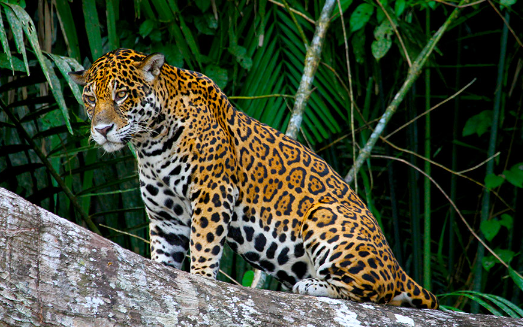
The Amazon rainforest is a treasure trove of biodiversity, home to countless rare species and unique ecosystems. The discovery of these wildlife species not only enriches our understanding of nature but also serves as a critical reminder of the importance of conservation efforts. In this post, we will explore notable rare species found in the Amazon, their survival strategies, and what we can do to help protect them.
1. The Spix’s Macaw: A Dedicated Recovery Journey
The Spix’s Macaw, once believed to be extinct in the wild, is a striking blue parrot native to Brazil’s Rio São Francisco region. Conservationists have launched extensive efforts to reintroduce this charismatic bird back into its natural habitat. Captive breeding programs, coupled with habitat restoration initiatives, have shown promising results, including sightings of wild Spix’s Macaws in their former territory.
Efforts to revive the Spix’s Macaw population have been multifaceted. Education programs focusing on local communities are aimed at fostering a conservation ethic, encouraging sustainable land use practices while decreasing habitat encroachment. Ongoing monitoring and scientific research contribute to better understanding their behaviors and habitat needs, enhancing the chances of a successful reintegration into the wild.
-
- Learn about the Spix’s Macaw’s habitat and food preferences.
-
- Engage in local conservation programs to support their recovery.
-
- Spread awareness about the importance of biodiversity.
-
- Participate in habitat restoration efforts.
-
- Support organizations that work on their conservation.
2. The Amazon Pink River Dolphin: Navigating Threats
The Amazon Pink River Dolphin, or boto, is one of the few freshwater dolphin species worldwide. These intelligent creatures navigate the complex river systems of the Amazon basin and exhibit remarkable social behaviors. Unfortunately, they face significant threats from pollution, habitat destruction, and fishing activities, which often result in accidental entanglement.
To promote the survival of Amazon Pink River Dolphins, it is essential to safeguard their habitats and establish marine protected areas. Efforts also focus on teaching local communities about the ecological importance of these dolphins and how to engage in responsible fishing practices to minimize bycatch. Monitoring their populations and conducting research helps shape effective conservation strategies.
-
- Become informed about the threats facing the boto.
-
- Support local initiatives that protect river ecosystems.
-
- Encourage sustainable fishing practices among local fishermen.
-
- Report any sightings or illegal activities related to dolphin hunting.
-
- Get involved in community programs focused on river conservation.
3. The Amazonian Poison Frog: Small But Mighty
The Amazonian Poison Frog, known for its vibrant coloration, is a small amphibian that plays a significant role in its ecosystem. These frogs are fascinating examples of chemical defense, as they produce potent toxins that deter predators. Conservationists have identified several species at risk due to habitat loss and climate change, highlighting the need for targeted conservation strategies.
To ensure the survival of the Amazonian Poison Frog, it’s critical to protect their habitats within the rainforest. Conservation programs often focus on educating local populations about the ecological roles of various species, including how insect populations can be mitigated through maintaining amphibian populations. Sustainable agricultural practices that respect the surrounding ecosystem are vital to safeguarding these frogs.
-
- Learn about the specific habitat needs of poison frogs.
-
- Support local conservation projects focused on amphibian protection.
-
- Advocate for sustainable land practices to minimize destruction.
-
- Educate others about the significance of biodiversity.
-
- Engage in volunteer programs to help monitor frog populations.
4. The Giant River Otter: A Social and Ecological Survivor
The Giant River Otter, known in the Amazon as “Guanarito,” is a highly social species that makes a vital contribution to its ecosystem. These otters are skilled hunters, preying on fish and other aquatic animals. Their presence also signifies a healthy aquatic habitat; however, they face threats from habitat loss and pollution, making awareness and conservation efforts crucial.
Conservation strategies for the Giant River Otter include establishing protected areas along river systems to maintain their natural habitats. Promoting community-based ecotourism initiatives can also offer financial incentives to locals, encouraging them to protect rather than exploit these magnificent animals. Ongoing research to monitor their populations helps ensure that appropriate measures are taken to bolster their numbers.
-
- Promote awareness of the role of otters in aquatic ecosystems.
-
- Participate in local conservation organizations.
-
- Support eco-friendly tourism that benefits otters and the community.
-
- Engage in programs that monitor water quality in rivers.
-
- Advocate against pollution and habitat destruction in the region.
In conclusion, the incredible biodiversity of the Amazon rainforest is under threat, but through concerted conservation efforts, we can help protect its rare species. By staying informed and getting involved in local initiatives, we can all play a role in ensuring that these remarkable creatures continue to thrive. Your actions can make a difference—consider supporting conservation efforts today!