
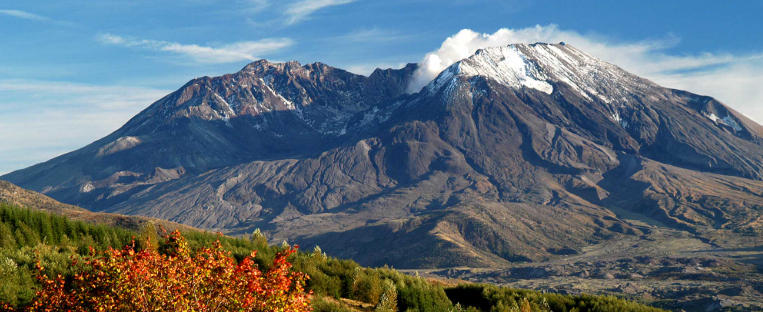
The stunning landscapes of North America owe much of their formation to the powerful forces of plate tectonics. This dynamic geologic process has not only shaped the continent’s mountains, valleys, and plains, but also influenced its climate and ecosystems. Understanding how plate tectonics works can help us appreciate the incredible beauty and diversity of America’s landscapes.
Continental Drift: The Great Movement
One of the key processes within plate tectonics is continental drift, which describes how continents move over geological time. North America, once part of a supercontinent known as Pangaea, split away and drifted northward. This movement has resulted in the unique geographic layout we see today, from the vast plains of the Midwest to the rugged Rockies. As continents shift, they can create new landscapes and change weather patterns, giving rise to a rich variety of ecosystems across the continent.
Mountain Building: Nature’s Giant Sculptors
The towering Rocky Mountains and the Appalachian range are prime examples of mountain building, an essential feature of plate tectonics. This process, also known as orogeny, occurs when tectonic plates collide, forcing the Earth’s crust upward. The Rockies, created by the collision of the North American Plate with the Pacific Plate, emerge majestically across the western United States. Each mountain range tells a story of the forces at work beneath our feet, illustrating how powerful and transformative plate tectonics can be.
Volcanic Activity: Breathing Life into Landscapes
Volcanic activity, another critical aspect of plate tectonics, has played a significant role in shaping various parts of North America. Regions like the Pacific Northwest are marked by the aftermath of volcanic eruptions stemming from the subduction of oceanic plates beneath continental plates. Mount St. Helens and Mount Rainier are just two examples of how volcanoes can create striking landscapes, while also enriching the soil and supporting diverse plant and animal life. These volcanic formations add to the continent’s beauty and complexity, illustrating the dynamic nature of Earth’s surface.
Conclusion
In summary, plate tectonics has profoundly influenced the creation of America’s diverse landscapes through processes like continental drift, mountain building, and volcanic activity. Each geological feature, from mighty mountains to expansive plains, tells a story of movement and change over millions of years. If you’re inspired to explore more about how these forces have shaped our world, take a closer look at the geological wonders in your area or plan a trip to one of America’s majestic national parks. Understanding our planet’s history can deepen our appreciation for its beauty and complexity.