
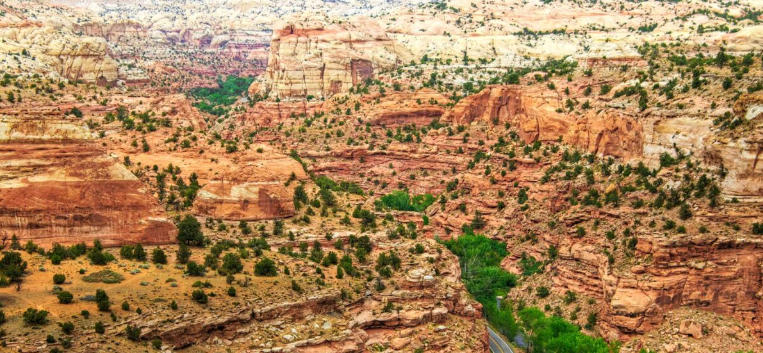
Understanding the geological evolution of the United States is essential for appreciating the diverse landscapes we see today. This complex narrative spans billions of years and is shaped by tectonic shifts, climatic changes, and the growth of biological systems. By exploring this history, we can better grasp the processes that continue to influence our environment.
Formation of the North American Continent
The story begins over 3 billion years ago with the formation of the Earth’s crust and the early protocratons that laid the foundation for the North American continent. These ancient landforms were shaped by volcanic activity and sedimentation, creating a patchwork of geological features. During the Paleozoic Era, about 600 million years ago, prolonged marine transgressions flooded these landscapes, leading to sediment-rich deposits that eventually became limestone and sandstone. This phase set the stage for the continent’s evolution as tectonic plates shifted, allowing the land to rise, subside, and reshape itself continuously over millions of years.
The Age of Dinosaurs and Plate Tectonics
As we move into the Mesozoic Era, roughly 250 million years ago, the supercontinent Pangaea began to break apart, giving rise to present-day continents. This period saw the rise of dinosaurs, but it was also crucial for shaping the U.S. landscape. The Rocky Mountains emerged due to the collision of tectonic plates, and sedimentary basins formed in the coastal regions. This era’s warm climate and lush vegetation supported diverse ecosystems, paving the way for the rich fossil record we glean today from sites like the Badlands in South Dakota and the Dinosaur National Monument in Colorado.
Ice Ages and Modern Landscape Formation
Fast forward to the Quaternary Period, which began around 2.6 million years ago, when the Earth entered a series of Ice Ages. Massive glaciers advanced and retreated, sculpting the landscape and creating features such as the Great Lakes and the dramatic fjords of the Pacific Northwest. As these ice sheets melted, they left behind rich deposits of sediment, which formed fertile plains and valleys. This geological activity continues to this day, as earthquakes, volcanic eruptions, and erosive forces work to shape the land. Understanding this phase helps us appreciate the natural hazards many communities face and the various environmental challenges at play.
Conclusion
The geological evolution of the United States is a fascinating journey that shaped our current landscape and continues to influence our environment today. Whether you’re a student, a nature enthusiast, or just someone curious about Earth’s history, there’s always more to learn. Dive deeper into this subject and explore the incredible ways our planet has transformed through time!