
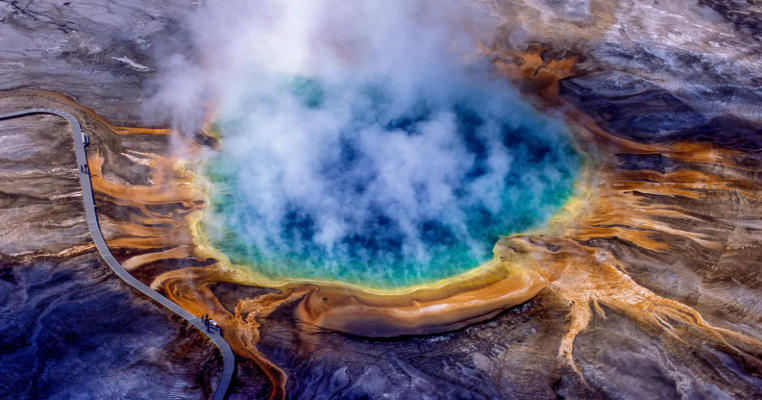
Yellowstone National Park isn’t just a feast for the eyes with its breathtaking landscapes, geysers, and hot springs; it’s also perched atop a living, breathing geological marvel. Understanding the dynamic geological processes underneath Yellowstone can enrich your appreciation of this iconic park and illuminate the forces that shape our Earth.
The Supervolcano: A Massive Geological Powerhouse
At the core of Yellowstone’s geology lies one of the largest active volcanic systems in the world—a supervolcano. Its last major eruption occurred roughly 640,000 years ago, unleashing a staggering amount of ash and volcanic material. This colossal event formed the Yellowstone Caldera, a vast crater visible today. The supervolcano is closely monitored by scientists because if it erupts again, the consequences could be catastrophic. Current geothermal activity, such as geysers and hot springs, is the result of heat from this magma chamber just beneath the surface, serving as a reminder of the powerful forces lying dormant below.
Geothermal Features: Nature’s Spectacular Show
Yellowstone’s geothermal features are among the most fascinating on the planet. The park is home to more than 10,000 hydrothermal features, including roughly half of the world’s active geysers. Old Faithful, perhaps the most famous, shoots boiling water up to 185 feet in the air at regular intervals. These thermal wonders are not just visually stunning; they also provide valuable insights into the Earth’s processes. The unique ecosystems around them host a variety of organisms that thrive in extreme conditions, demonstrating the adaptability of life.
Earthquakes: Nature’s Subtle Reminders
Yellowstone is also seismically active, with hundreds of earthquakes occurring each year. Most are too small to feel, but occasionally, larger seismic events remind us of the dynamic Earth we stand on. These earthquakes are primarily caused by the movement of magma beneath the surface and the stress it places on the surrounding rock. Monitoring these seismic activities helps scientists understand the behavior of the supervolcano and the potential risks it may pose, while also showcasing the Earth’s restless nature.
Yellowstone National Park is a treasure trove of geological wonders, where the surface beauty is complemented by a lively and volatile subsurface. By exploring its volcanic history, geothermal features, and seismic activity, you can gain a deeper understanding of the Earth’s dynamic processes.
So why not take a dive into further research? Plan a visit to Yellowstone or look up educational resources that delve into the science behind its geological phenomena. There’s so much more happening below the surface than meets the eye!