
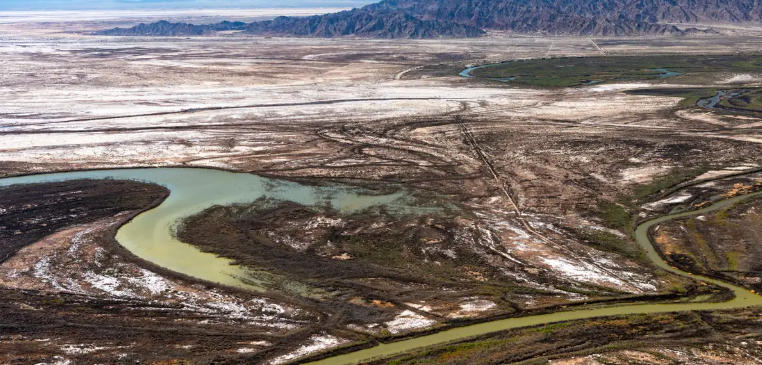
The Colorado River is not just a waterway; it is a geological powerhouse that has dramatically shaped the landscape of the American Southwest. Understanding its impact can deepen our appreciation for the stunning vistas and unique geological formations that define this region. This article explores the river’s role in forming iconic landscapes and how it continues to influence our environment today.
The Formation of the Grand Canyon
One of the most striking examples of the Colorado River’s power is the Grand Canyon. This immense chasm, stretching over 277 miles, was carved over millions of years by the relentless flow of the river. The process began around six million years ago, when tectonic activities uplifted the Colorado plateau, allowing the river to cut deeply into the rock layers. As sediment was eroded away, the river revealed stunning geological formations, providing a window into Earth’s history. Today, visitors can marvel at the striking layers of rock, each telling a story of time, climate, and even ancient ecosystems.
Erosion and Landscape Change
The Colorado River’s influence extends far beyond the Grand Canyon. Its powerful current continuously erodes the surrounding landscape, forming elaborate features such as canyons, cliffs, and plateaus. This erosion process involves not only the physical action of water but also the chemical breakdown of rock. Over time, minerals from the rocks dissolve, enriching the river and creating unique ecosystems along its banks. This ever-changing environment is essential for biodiversity, hosting numerous species of plants and animals that rely on the river’s resources.
Human Impact and Conservation Efforts
As much as the Colorado River has shaped the land, human activities have significantly impacted this vital resource. Dam construction, water diversion for agriculture, and urban development have altered the river’s natural flow and ecosystem. These changes can affect everything from local wildlife habitats to the availability of water for communities downstream. Conservation efforts are underway to restore the river and maintain the delicate balance between human needs and environmental sustainability. By promoting responsible water use and supporting wildlife habitats, we can ensure that the Colorado River continues to thrive for generations to come.
In conclusion, the Colorado River remains a testament to nature’s incredible power and resilience. By understanding its role in shaping the American Southwest, we can foster a greater appreciation for our natural environments. Whether you’re planning a visit to the Grand Canyon or interested in conservation efforts, take the time to explore and enjoy the wonders this majestic river has created. Dive deeper into this topic to discover how you can contribute to preserving this crucial geological force.