
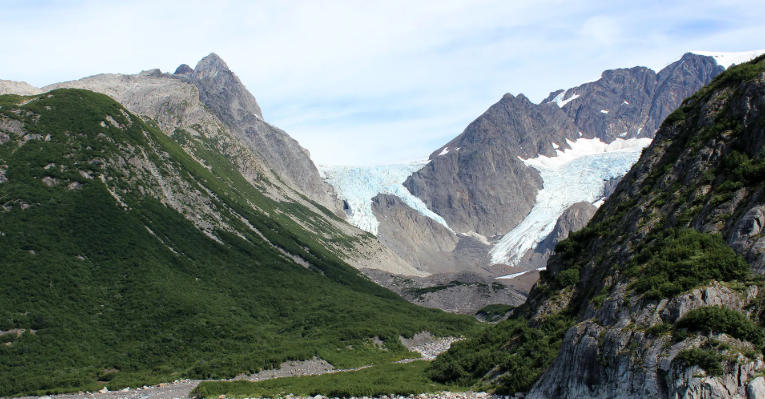
Alaska is famous for its breathtaking landscapes, particularly its stunning fjords, which attract travelers from around the globe. Understanding how these natural wonders were formed not only enhances our appreciation of Alaska’s beauty but also highlights the powerful forces of nature that have shaped our planet over millennia. Let’s delve into the fascinating process that led to the creation of Alaska’s fjords.
The Role of Glaciers in Fjord Formation
During the last Ice Age, massive glaciers blanketed much of Alaska, carving out the land as they advanced. As these glaciers moved, they scraped away rock and sediment, creating deep valleys. When the Ice Age eventually ended and temperatures began to rise, these glaciers started to retreat. This retreating process was crucial: as the glaciers melted and pulled back, they left behind the deep, U-shaped valleys that we now recognize as fjords. Water from the ocean began to fill these valleys, resulting in the spectacular coastal scenery we see today.
Unique Characteristics of Alaskan Fjords
Alaska’s fjords are not only stunning but also possess unique features shaped by both glacial activity and the region’s environmental conditions. One notable characteristic is their steep, rugged cliffs, which rise dramatically from the water’s edge, a result of the immense pressure and erosion from the glaciers. Additionally, many fjords are dotted with icebergs and surrounded by lush greenery, showcasing a beautiful juxtaposition of ice and vegetation. The biodiversity found in these areas also thrives, as the waters bring nutrients from the ocean to support rich marine life, making them a vital habitat for various species.
The Ongoing Influence of Climate Change
As climate change continues to impact our planet, the dynamics of Alaska’s fjords are also changing. The retreat of glaciers has accelerated in recent years, leading to further alterations in the landscape. This not only affects the fjords’ physical characteristics but also disrupts the delicate ecosystems that depend on glacial meltwater. Understanding these changes is crucial for conservation efforts and helps us gauge the broader implications of climate change on coastal regions worldwide.
In conclusion, Alaska’s fjords are a stunning testament to the power of glacial retreat and the ongoing changes in our climate. If you’re interested in exploring these natural wonders, consider planning a trip to experience their beauty firsthand or delve deeper into the science behind glacial formation. There’s so much more to discover about Alaska’s breathtaking landscapes and the powerful forces that shaped them!