
The American West is a treasure trove of geological wonders that attract nature lovers, scientists, and adventurers alike. From striking rock formations to vast desert landscapes, the region showcases an array of geology that tells the story of Earth’s history. Understanding this geologic diversity can deepen your appreciation for the natural beauty that surrounds us.
Sandstone and Sedimentary Layers
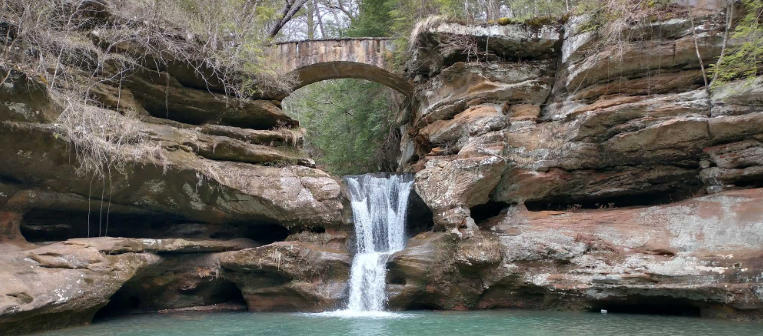
One of the most notable features of the American West is its impressive sandstone formations. This type of rock is often highlighted by layered sedimentary deposits, which reveal the environment’s ancient conditions. Places like Zion National Park in Utah exhibit towering cliffs of sandstone that have been sculpted by wind and water over millions of years. Visitors can hike through narrow canyons and witness the dramatic colors of the rocks, ranging from deep reds to vibrant oranges. Each stratum of sandstone offers valuable insights into the Earth’s climatic changes throughout history.
Basalt: The Dark Side of Geology
In contrast to sandstone, basalt is another important rock type that adds to the diversity of the American West. Formed from cooled volcanic lava, basalt is often found in locations like the Columbia River Gorge in Oregon and the lava flows in New Mexico. These dark, dense rocks signify the region’s volcanic past and create unique topographies, such as mesas and cliffs. The Columbia River Gorge, for instance, features impressive waterfalls like Multnomah Falls, where basalt plays a crucial role in shaping the landscape. Understanding the presence of basalt helps us appreciate the dynamic processes that have shaped the region over time.
Granite Mountains and Fault Lines
The towering granite peaks of the Sierra Nevada are among the most majestic sights in the American West, showcasing the region’s extensive geologic diversity. Formed through the slow crystallization of magma deep within the Earth, granite offers a stark contrast to both sandstone and basalt. Not only does it create stunning mountain ranges, but it also tells a story of tectonic activity, including fault lines and earthquakes. Areas like Yosemite National Park are famous for their granite cliffs, which attract rock climbers from around the world. The interplay of these geological features contributes to diverse ecosystems and offers numerous recreational opportunities for outdoor enthusiasts.
In conclusion, the geologic diversity of the American West is not just a feast for the eyes; it is a fascinating aspect of Earth’s history that invites exploration and learning. Whether you’re interested in hiking among sandstone cliffs, marveling at basalt formations, or climbing granite mountains, the American West offers countless opportunities to connect with nature. So grab your hiking boots and hit the trails to discover the geological wonders waiting just around the corner!