
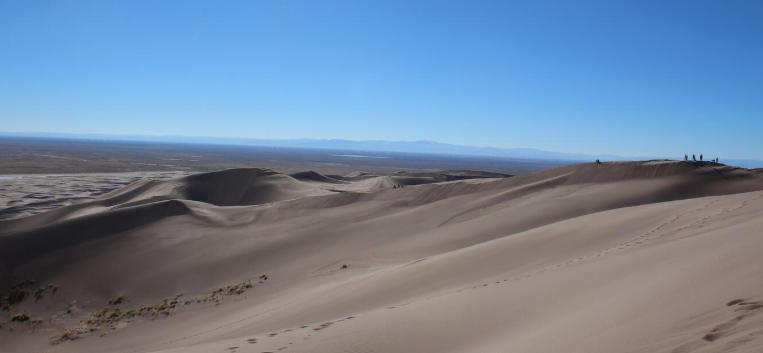
The stunning sand dunes of the Southwest are more than just beautiful landscapes; they are dynamic ecosystems that tell the story of wind’s powerful influence. Understanding how wind shapes these awe-inspiring formations can deepen our appreciation for nature and its intricate processes.
The Process of Aeolian Erosion
Wind plays a pivotal role in the transformation of arid landscapes through a process known as aeolian erosion. This phenomenon begins when strong winds pick up loose sand particles from the ground. As the wind blows across the surface, it can scrape and erode the terrain, removing smaller particles and leaving behind larger ones. This fine dust often gets carried over great distances, altering the surrounding environment. The constant movement and grinding of sand against rocks ultimately shapes the overall landscape, forming unique geological features over time.
Sand Deposition and Dune Formation
After eroding the landscape, wind doesn’t just carry sand away; it also deposits it in new locations, leading to the formation of sand dunes. When the wind loses its energy, it drops the sand grains, which accumulate to create various types of dunes, such as crescent-shaped barchans or tall, linear ridges. These dunes can constantly shift and change due to ongoing wind patterns, making them not just static features but dynamic parts of our environment. Each dune carries a record of local wind conditions, contributing to our understanding of climate patterns.
The Ecological Importance of Sand Dunes
Sand dunes are more than just remarkable structures; they also serve critical ecological roles. These dunes provide habitats for specialized plants and animals that are adapted to life in harsh conditions. The vegetation rooted in the dunes helps stabilize the sand and protects it from erosion, while also contributing to the local ecosystem by supporting wildlife. Moreover, sand dunes can act as natural barriers, protecting inland areas from inland flooding and storm surges. Understanding the ecological importance of dunes encourages us to appreciate and protect these unique environments.
In conclusion, the interplay between wind, erosion, and deposition delivers fascinating insights into the landscape of the Southwest. The next time you visit these magnificent sand dunes, take a moment to reflect on the powerful natural forces that helped shape them. To learn more about the incredible world of sand dunes and their ecosystems, consider exploring local nature reserves or educational programs in your area!