
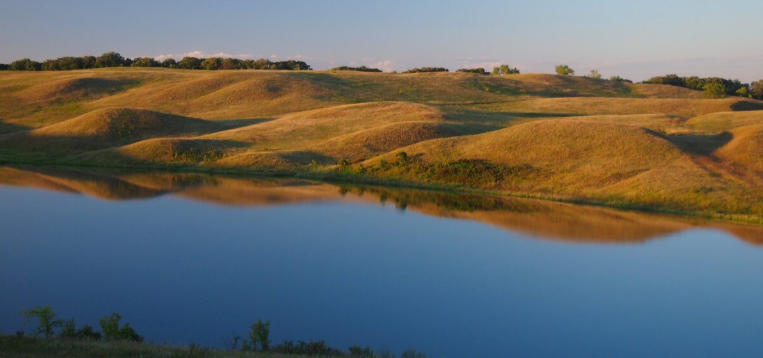
The Ice Age was a monumental time in Earth’s history, leaving behind a rich legacy that profoundly shaped the Midwest’s geography, ecosystems, and human culture. Understanding this period helps us appreciate the natural beauty and complexity of the region. Let’s explore some key aspects of how the Ice Age has influenced the area we know today.
Geographic Transformation
The Ice Age dramatically altered the landscape of the Midwest, sculpting it into the region we recognize now. Massive glaciers advanced and retreated, carving out features such as the Great Lakes, the Mississippi River, and numerous valleys and hills. This glacial activity also left behind a variety of sediments, forming fertile plains ideal for agriculture. The land is a testament to the sheer power of nature, showing how these ancient ice sheets created diverse habitats, including wetlands, prairies, and forests, that would nurture rich ecosystems for centuries.
Flora and Fauna Evolution
The ecosystems of the Midwest are a direct result of the Ice Age’s impact on the region’s natural history. As the glacial ice melted, it created unique habitats that allowed various plant and animal species to thrive. For instance, the melting glaciers created wetlands that provided essential breeding grounds for fish, birds, and amphibians. This diversity still characterizes the Midwest today, with remnants of Ice Age species like woolly mammoths and saber-toothed cats, whose fossils can be found in certain areas. The Ice Age also encouraged the evolution of numerous plant species, creating a vibrant tapestry of flora that supports a wide variety of wildlife.
Cultural Impacts and Human Connection
The legacy of the Ice Age extends beyond geology and ecology, influencing human culture in the Midwest as well. Early Native American tribes flourished in the region, utilizing its diverse resources for food, shelter, and tools. The availability of fertile land allowed for agriculture to become a cornerstone of life for many communities. Additionally, landmarks shaped by the Ice Age, such as the cliffs of the Driftless Area in Wisconsin, hold cultural significance and are often sites of historical storytelling. Modern societies continue to embrace this heritage, celebrating the unique geography and history that the Ice Age left behind.
In conclusion, the Ice Age has profoundly impacted the Midwest, altering its landscape, nurturing unique ecosystems, and influencing human culture. By understanding this legacy, we can gain a deeper appreciation for the natural world around us. Whether you’re an outdoor enthusiast, a history buff, or simply curious about the forces that shaped our environment, there’s always more to discover about the Ice Age’s lasting impact on the Midwest. Explore local parks, read about ancient cultures, or visit museums to see how the past continues to inform our present and future.