
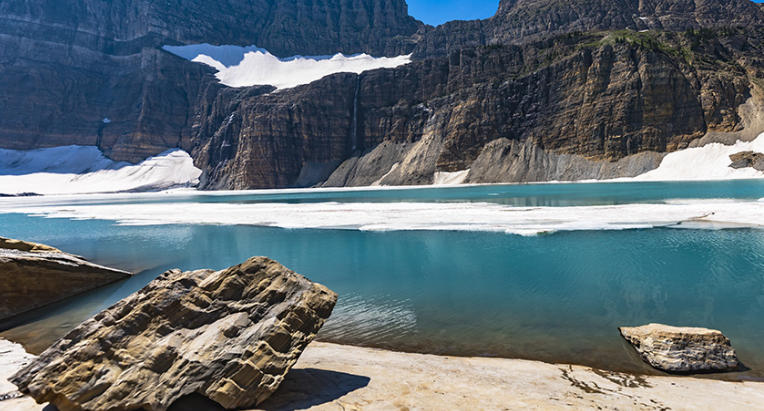
Glacier National Park is a stunning natural wonder, capturing the hearts of millions of visitors each year with its breathtaking landscapes and diverse ecosystems. Understanding the geological history of this majestic area not only enhances our appreciation for its beauty but also sheds light on the forces that shaped it over millions of years.
Ancient Seas and Sedimentation
The story of Glacier National Park begins over a billion years ago, during a time when the region was submerged beneath ancient seas. Layers of sediment accumulated on the ocean floor, eventually forming sedimentary rock. Over time, these layers were uplifted and folded due to tectonic activity, creating the mountainous terrain we see today. The rocks visible in the park, including limestone and sandstone, bear witness to this aquatic past, providing a rich tapestry of history for geologists and nature enthusiasts alike.
Volcanic Activity and Mountain Formation
As tectonic plates shifted and collided, volcanic activity played a crucial role in shaping the landscape of Glacier National Park. Around 100 million years ago, lava flows and volcanic ash contributed to the formation of igneous rocks and further molded the geography. The collision of plates created the Rocky Mountains, pushing the earth’s crust upwards and forming towering peaks and deep valleys. This volcanic history is not just fascinating; it also contributes to the park’s diverse mineral resources.
Glacial Movements and Erosion
The park’s most iconic features—its glacial valleys, shimmering lakes, and rugged peaks—are largely attributed to glacial movements that began around two million years ago. During the last Ice Age, massive glaciers carved their way through the landscape, shaping valleys and leaving behind distinctive landforms. As these glaciers advanced and retreated, they created U-shaped valleys and deep fjords, evidence of their powerful force. Today, remnants of these glaciers can still be observed, offering a glimpse into the park’s dynamic past.
In Conclusion
The geological history of Glacier National Park is a fascinating chronicle of ancient seas, volcanic forces, and powerful glaciers. Each rock and valley tells a story of the planet’s ever-changing landscape. If you’re intrigued by geology or simply want to further explore this remarkable park, consider planning a visit or diving into more literature on its geological wonders. The beauty and history await you!