
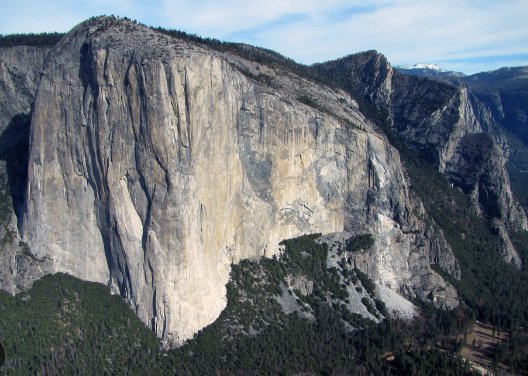
Yosemite National Park, a jewel of the Sierra Nevada, captivates visitors with its stunning granite cliffs and iconic domes. Understanding the geological processes behind these natural marvels not only enriches our appreciation of the park but also highlights the dynamic forces that shape our planet. Let’s delve into the fascinating processes that contributed to the formation of Yosemite’s majestic domes.
The Role of Glacial Activity
One of the most significant factors in shaping Yosemite’s landscape is glacial activity. During the last Ice Age, massive glaciers carved their way through the Sierra Nevada, sculpting the granite rock beneath. As these glaciers advanced and then receded, they left behind smooth, rounded peaks and steep cliffs, a defining characteristic of the park today. Glacial erosion not only created the iconic Yosemite Valley but also led to the formation of the famous granite domes, including Half Dome and El Capitan, which stand as proud testaments to the power of ice and rock.
Weathering and Erosion Processes
While glacial activity played a crucial role, weathering and erosion continue to shape the domes of Yosemite. Mechanical weathering occurs through processes like freeze-thaw cycles, where water seeps into cracks, freezes, and expands, causing the rock to break apart. Additionally, chemical weathering, caused by the interaction of water and minerals, weakens the rock and contributes to its eventual erosion. Over thousands of years, these processes have refined the granite surfaces, leading to the distinctive features of the domes, such as sheer faces and smooth surfaces that attract climbers from around the world.
The Influence of Granitic Intrusions
The geological history of Yosemite also includes granitic intrusions, which are formations of granite that crystallized underground before being uplifted to the surface. These intrusions formed when molten rock cooled slowly, creating the strong, durable granite that we see today. The immense pressure and heat involved in this process contribute to the strength and resistance of the granite against erosion, allowing the domes to stand tall against the elements. The interplay between these intrusions and the surrounding sedimentary rock has created a unique geological tapestry that enriches the park’s scenic beauty.
In conclusion, Yosemite National Park is not just a visual feast but also a remarkable case study in geology. The interplay of glacial activity, weathering processes, and granitic intrusions has sculpted the stunning domes that characterize the park. Whether you’re planning a visit or just curious about Earth’s geological history, exploring these concepts can deepen your appreciation for Yosemite’s natural wonders. Take some time to learn more about the park’s unique features, and consider visiting to experience these breathtaking landscapes firsthand!