
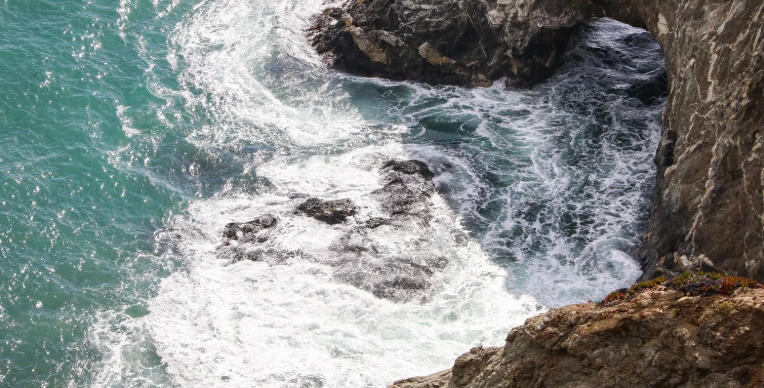
Water has played an essential role in shaping the majestic cliffs of the Pacific Coast. Understanding this dynamic relationship is not only fascinating but also highlights the significance of natural processes in creating some of the most breathtaking landscapes. From erosion to sedimentation, water’s influence is profound and multifaceted.
Erosion: The Sculptor of Cliffs
One of the primary ways water shapes the Pacific Coast cliffs is through erosion. Wave action continuously battering the shoreline gradually wears away the rock formations. Over time, this relentless grinding creates unique formations, such as sea stacks and arches. The impact of storms, tides, and even freshwater rivers that flow into the ocean all contribute to this reshaping process. As the cliffs erode, they reveal layers of geological history, offering insights into millions of years of Earth’s past.
Sedimentation: Building New Landscapes
While erosion is often the most visible effect of water, sedimentation plays a crucial role in sculpting the coastal environment as well. When rivers transport sediments from inland areas to the ocean, they deposit materials along the coast, leading to the creation of deltas and sandy beaches. This sediment can intermix with existing cliff materials, helping to build new structures and providing habitats for various plant and animal species. Consequently, sedimentation not only shapes the coastline but also supports diverse ecosystems that flourish in these dynamic environments.
Climate Change and Its Impact on Coastal Erosion
In recent years, climate change has further complicated the relationship between water and the Pacific Coast cliffs. Rising sea levels and increased storm intensity are accelerating erosion rates, posing a threat to coastal communities and the natural landscape. Scientists are monitoring these changes, focusing on how water is reshaping the cliffs at an unprecedented pace. Understanding these new dynamics is crucial for developing infrastructure and conservation strategies that can protect both human habitats and the natural beauty of the cliffs.
In conclusion, water is a powerful force that has intricately shaped the Pacific Coast cliffs through processes of erosion, sedimentation, and climate change. By appreciating these natural processes, we can better understand our environment and advocate for its preservation. To dive deeper into this subject or explore more about coastal ecosystems, consider seeking out local nature trails, museums, or online resources dedicated to this captivating topic.