
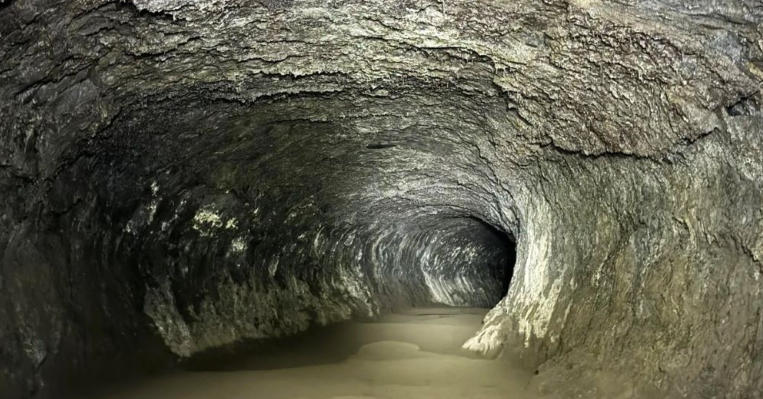
Oregon is home to some of the most fascinating geological formations created by volcanic activity: lava tubes. These incredible natural structures not only showcase the state’s volcanic history but also offer unique opportunities for exploration and adventure. Understanding these formations can enhance your appreciation for Oregon’s rich natural beauty and geological diversity.
Exploring the Formation of Lava Tubes
Lava tubes are formed during volcanic eruptions when molten lava flows beneath the surface, creating a hollow tunnel as the outer layer cools and solidifies. In Oregon, these tubes are primarily associated with the Newberry Volcano and the many eruptions that have occurred over thousands of years. The result is an extensive network of caves and tunnels, some of which are easily accessible for visitors. Exploring these tubes allows you to witness the power of nature firsthand, as you walk through formations that have remained largely unchanged for centuries.
Visiting Oregon’s Notable Lava Tubes
One of the most famous lava tube systems in Oregon is the Lava River Cave, located near the Newberry National Volcanic Monument. This 1.5-mile-long tube is the longest in the state and offers a cool respite during warm summer months. The cave’s features, such as impressive rock formations and the unique chilled environment, attract both casual visitors and avid spelunkers. Another significant site is the Boyd Cave, where you can explore areas rich with diverse mineral deposits and enjoy a peek into the region’s geological past. Remember to bring a flashlight and dress appropriately, as temperatures can drop significantly inside the tubes.
Understanding the Ecological Importance
Lava tubes are not just geological wonders; they also play a critical role in their ecosystems. These caves provide unique habitats for various species, including bats and rare fungi, adapted specifically to the cave environment. The temperature and moisture levels in the tubes help sustain these organisms, contributing to biodiversity. Additionally, lava tubes can serve as natural conduits for groundwater, influencing local hydrology and vegetation. By visiting these formations, you gain insight into the delicate balance of ecosystems shaped by volcanic activity, underscoring the importance of preserving these natural wonders.
Conclusion
Exploring the lava tubes of Oregon is an adventure that combines geological history, ecological significance, and the thrill of discovery. Whether you’re a seasoned exploration enthusiast or simply looking for a unique outdoor experience, these caves offer something for everyone. So grab your gear, plan your visit, and immerse yourself in the captivating world of Oregon’s lava tubes. You’re sure to come away with a deeper appreciation for the natural wonders that shape our planet.