
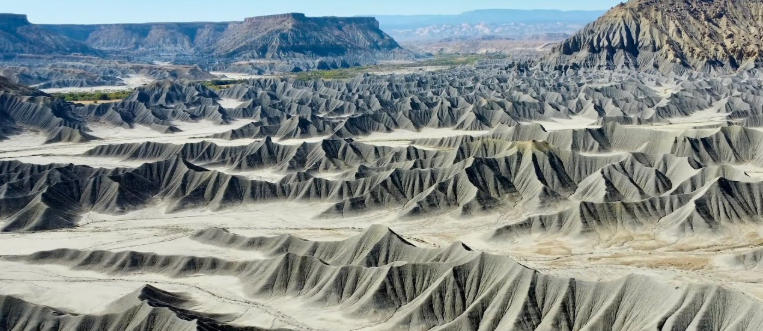
The Colorado Plateau is a stunning example of Earth’s dynamic history, featuring vibrant landscapes and a rich tapestry of geological formations. Understanding its geologic timeline not only highlights the region’s beauty but also reveals the ancient processes that shaped it over millions of years. This knowledge deepens our appreciation for the natural world and informs conservation efforts.
Formation of the Ancient Landscape
The Colorado Plateau’s story begins over 2 billion years ago, during the Precambrian Era. This period witnessed the rise of some of the oldest rocks in North America. As volcanic and sedimentary processes unfolded, layers formed that would later become the foundation of the plateau. By the time the Paleozoic Era arrived, roughly 570 million years ago, the area transformed dramatically. Shallow seas flooded the region, creating limestone and sandstone deposits that would define much of the plateau’s geology today.
The Rise of Elevation
Fast forward to the Mesozoic Era, around 200 million years ago, when tectonic forces began lifting the plateau, shaping the landscape into its current form. This uplift contributed to the creation of iconic features like the Grand Canyon and Monument Valley. The climate shifted, allowing for the flourishing of diverse ecosystems, marked by lush forests and vibrant wetlands. The sediment that accumulated during this time eventually transformed into the colorful rock layers we see today, including the well-known Navajo Sandstone and the stunning red rocks of the Entrada Formation.
Erosion and Sculpting of the Current Landscape
The most recent chapter in the Colorado Plateau’s geologic timeline covers the last 65 million years, where erosion has played a key role in sculpting its picturesque canyons, mesas, and buttes. Wind and water, along with weathering processes, have carved the striking landscapes that attract millions of visitors each year. The interplay of these forces continues to shape the Colorado Plateau, making it a dynamic environment that transforms even today. This continuous process reminds us of nature’s powerful ability to mold and redefine our surroundings.
Conclusion
The geologic timeline of the Colorado Plateau reveals a complex and awe-inspiring history that shapes the stunning landscapes we see today. From ancient rock formations to the vibrant ecosystems that reside within, there is much to explore and discover. If you’re intrigued by this magnificent region, consider visiting its national parks or engaging in further research to uncover more about this geological wonder. The Colorado Plateau is not just a destination; it’s a journey through time.