
The Fossil Beds of Wyoming’s Green River Formation
The Green River Formation in Wyoming is a treasure trove of paleontological wonders, capturing a glimpse into life more than 50 million years ago. This remarkable geological formation is not only significant for scientists but also for anyone fascinated by the history of our planet. With its extraordinary fossil beds, the formation provides insights into ancient ecosystems and the creatures that inhabited them.
Unveiling the History of the Green River Formation
Formed during the Eocene epoch, the Green River Formation is known for its unique sedimentary deposits and an abundance of fossils. This area was once a vast lake system, teeming with life. The sediment that accumulated in these ancient lakes preserved an array of plants, fish, and even early mammals. This exceptional preservation process has allowed researchers to study not just the species that lived there, but also the environmental conditions of the time. Through ongoing research, scientists continue to unravel the complex tapestry of life from this prehistoric era.
Fossils of the Green River Formation: A Closer Look
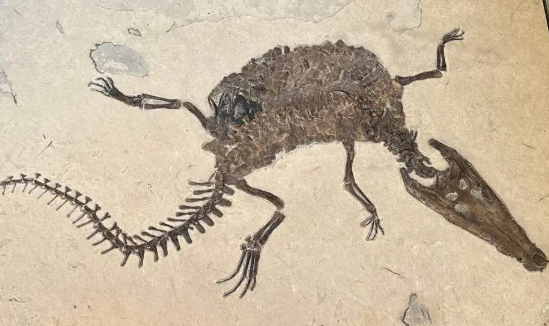
The Green River Formation is famed for its exceptionally well-preserved fossils, including fish, turtles, and birds. Notably, it is home to species like the extinct “Knightia,” a small fish that swam in abundance during the Eocene. In addition to fish, fully articulated fossils of amphibians, reptiles, and even early ancestors of modern mammals have been found. The intricate details visible in these fossils provide a snapshot of life during this period, revealing not just the organisms’ physical traits but also clues to their behavior and habitat.
The Scientific and Cultural Significance
The fossil beds of the Green River Formation hold immense scientific value. They offer a unique opportunity for researchers to explore evolutionary processes and how ecosystems have changed over time. Moreover, these fossils have cultural significance, inspiring generations of scientists, educators, and enthusiasts. Museums and educational programs centered around this formation foster a deeper understanding of geology and paleontology, encouraging the public to engage with Earth’s history.
In conclusion, the Green River Formation is much more than just a geological site; it’s a vital chapter in the story of our planet. Whether you’re a budding paleontologist or simply someone intrigued by nature’s wonders, exploring this formation can ignite a passion for learning about our Earth’s past. To delve deeper into this fascinating topic, consider visiting local museums or exploring educational resources dedicated to paleontology and geology. There’s always more to discover!