
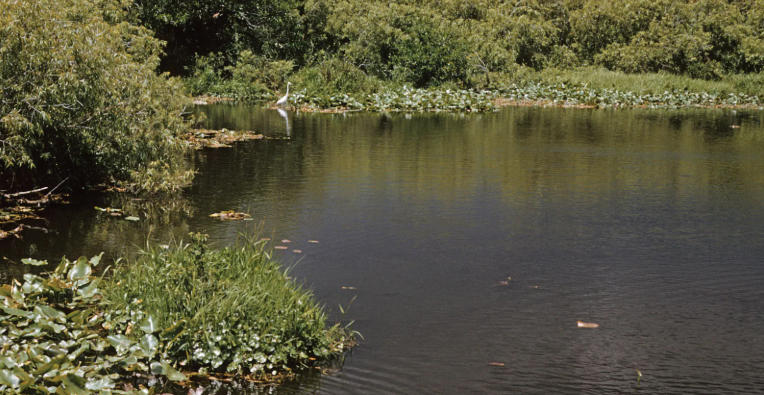
The Everglades, a stunning expanse of wetlands in Florida, is often referred to as a “river of grass.” This unique ecosystem is not just a beautiful landscape; it is the result of intricate geological and hydrological processes that have unfolded over thousands of years. Understanding how the Everglades formed is crucial for appreciating its ecological significance and the challenges it faces today.
The Geological Roots of the Everglades
The formation of the Everglades can be traced back about 10,000 years to the end of the last Ice Age. As the glaciers melted, massive quantities of fresh water flowed southward, creating a vast, shallow wetland system. The geology of South Florida is primarily composed of limestone, which is porous and allows water to move freely through it. This geological substrate played a critical role in shaping the landscape, allowing the slow movement of water from Lake Okeechobee to the coastal mangroves and estuaries. The interplay between land and water helped establish the diverse habitats that characterize the Everglades today.
Hydrological Processes That Shaped the Ecosystem
Hydrology, the study of water movement and distribution, is fundamental to the Everglades. The ecosystem operates on a delicate water balance, absorbing rainfall through a network of waterways and channels. Seasonal flooding and droughts heavily influence plant and animal life, with wet seasons supporting lush vegetation and dry times exposing hidden land. This cyclical flow of water has led to the development of different zones, such as sawgrass prairies, cypress swamps, and hardwood hammocks. Understanding these hydrological processes reveals the interdependence of the various species that inhabit the area and highlights the challenges posed by water management and climate change.
Human Impact on the Everglades
Unfortunately, human activity has significantly altered the natural dynamics of the Everglades. The construction of canals, levees, and roads has disrupted the natural flow of water, leading to habitat loss and ecosystem decline. Agricultural runoff and urban development have led to pollution, further threatening the delicate balance of this unique environment. Efforts are being made to restore the Everglades, but it requires a collective commitment from the community to understand its complexities and advocate for its protection. The restoration process reminds us of our responsibility to safeguard such a vital ecological treasure.
In conclusion, the formation of the Everglades is a fascinating tale of geological and hydrological processes that have resulted in one of the most unique ecosystems on the planet. By learning about its origins and current challenges, you can become a better advocate for its conservation. Explore further, visit the Everglades, and witness firsthand the beauty and fragility of this remarkable landscape.