
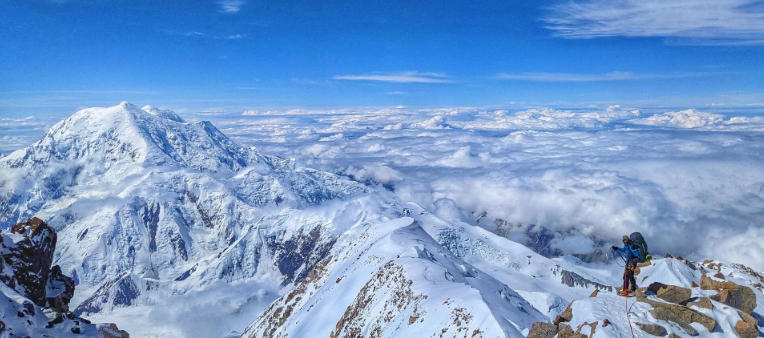
The Rocky Mountains are a breathtaking testament to nature’s power, shaped by intricate geological processes. Among the most influential factors in their formation are glaciers, which sculpted the landscape over millions of years. Understanding how glaciers shaped this iconic range not only deepens our appreciation for its beauty but also highlights the complex interactions between climate and geology.
The Power of Glacial Erosion
Glaciers are massive rivers of ice that flow slowly down mountains, and their most remarkable ability is glacial erosion. As glaciers advance, they carve out valleys, creating U-shaped troughs and steep mountainsides. This process removes soil and rock, transporting material downhill and dramatically altering the landscape. Particularly during the last Ice Age, glaciers up to several kilometers thick covered parts of the Rockies, sculpting dramatic peaks and valleys that we see today. The results are stunning, with features like sharp ridges and deep lakes.
Creation of Glacial Depressions and Moraines
In addition to eroding mountainsides, glaciers leave behind distinct landforms known as moraines and depressions. Moraines are accumulations of debris that glaciers deposit when they melt. These landforms can be found throughout the Rockies, showcasing the glacier’s movement and the materials it carried. Glacial depressions, on the other hand, form when a glacier melts and leaves behind a basin filled by rainwater or snowmelt. These lakes, such as Lake Louise and Glacier National Park’s many alpine lakes, add stunning beauty to the rocky landscape and provide essential habitats for local wildlife.
Environmental Impact and Ecosystem Diversity
The influence of glaciers on the Rocky Mountains extends beyond mere geography. Glacial activity has significant effects on the local climate and ecosystems. As glaciers melt, they release freshwater into rivers and streams, supporting diverse wildlife and plant species. The unique microclimates created by varying elevations and glacial features allow for a wide range of habitats, promoting biodiversity. The rich ecosystems found in the Rockies are a direct result of glacial processes, making this area not only a geological wonder but also a crucial environment for countless organisms.
As you explore the majestic Rocky Mountains, take a moment to appreciate the glaciers that played such an integral role in shaping this remarkable landscape. Their powerful influence is evident in the valleys, lakes, and ecosystems that thrive today. To learn more about glaciers and their impact on our planet, consider diving deeper into geological studies or planning a visit to a nearby national park. The mountains are waiting for your discovery!