
Yellowstone National Park, the first national park in the United States, is famous not only for its breathtaking landscapes but also for its incredible geothermal features. These natural wonders are the result of the volcanic activity centered in the Yellowstone Caldera, making the park a unique and fascinating destination for nature lovers and adventure seekers alike. Understanding these geothermal features can enhance your visit and deepen your appreciation for this remarkable ecosystem.
The Iconic Geysers
Yellowstone is home to more than half of the world’s geysers, with Old Faithful being the most famous. Known for its predictable eruptions that shoot water over 100 feet into the air, Old Faithful draws crowds year-round. Other notable geysers include the Castle Geyser and the Grand Geyser, both of which offer breathtaking displays of nature’s power. The timing and behavior of these geysers are influenced by the geothermal system beneath the surface, and witnessing their eruptions can be a thrilling experience. Observing these natural phenomena at various times of the day can reveal different aspects of their beauty, especially at sunrise or sunset.
Bubbling Hot Springs
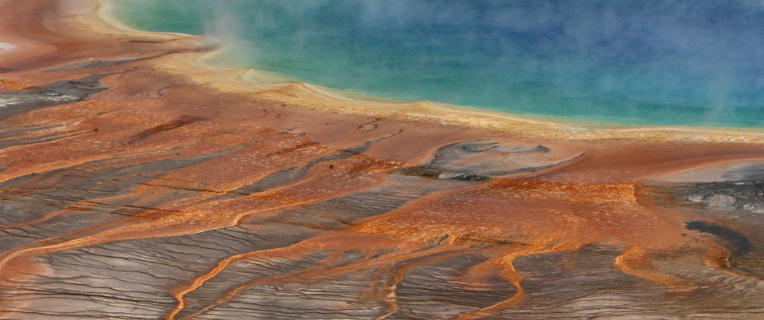
Hot springs are another mesmerizing feature of Yellowstone’s geothermal landscape. These springs, like the iconic Grand Prismatic Spring, are known for their striking colors and unique formations. The vivid hues come from the thermophiles—heat-loving microorganisms—that thrive in the hot water. The temperature of hot springs can range dramatically, creating a rich habitat for various forms of life. Visitors should exercise caution around these areas, as the water can be extremely hot. Walking along the park’s designated boardwalks is not only safe but also allows for an up-close view of these natural marvels.
Mudpots and Fumaroles
Mudpots and fumaroles are two lesser-known but equally intriguing geothermal features of Yellowstone. Mudpots are shallow, hot springs where the boiling water interacts with clay, creating a bubbling, mud-like substance. The constant evaporation of water means that their appearance can change frequently, making each visit unique. Fumaroles, on the other hand, are openings in the ground that emit steam and gases, often with little or no water present. These features provide insight into the geothermal activity of the park and showcase the dynamic geology occurring beneath our feet.
In addition to their scientific interest, mudpots and fumaroles offer stunning visuals, making them a must-see for visitors looking to explore the less crowded areas of the park.
Conclusion
Yellowstone National Park’s geothermal features are a testament to the dynamic processes of the Earth, offering a rich palette of natural beauty and scientific wonder. Whether you’re gazing at the vibrant colors of a hot spring or waiting for the iconic eruption of Old Faithful, there’s something magical about these geothermal phenomena. To enhance your experience, consider taking a guided tour to learn more about these remarkable features from experts who can share their insights and stories. Embrace the adventure, and discover the explosive beauty of Yellowstone!