
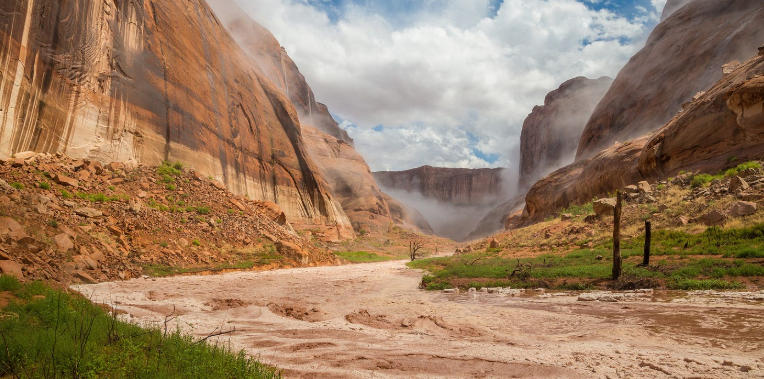
The Colorado River Canyon, particularly the majestic Grand Canyon, is more than just a stunning natural landmark; it’s a historical narrative written in stone. Understanding how this iconic canyon was formed not only enriches our appreciation of its beauty but also reveals the incredible geological processes that shape our planet.
Geological Foundations of the Canyon
The story begins millions of years ago with the Earth’s geological layers. The Grand Canyon is carved primarily into ancient rock, including layers of limestone, sandstone, and shale, that date back as far as 2 billion years. These layers formed through sedimentation in various aquatic environments, followed by periods of volcanic activity. Over time, tectonic forces uplifted these layers, creating the high plateaus that we see today. This uplift, combined with erosional forces, set the stage for the canyon’s dramatic formation.
The Role of Water Erosion
Water is the primary sculptor of the Grand Canyon. As the Colorado River flow began to carve its path, it acted like a chisel, wearing away the rock layers over millions of years. Seasonal floods and varying water levels intensified this process, allowing the river to cut deeper into the rock. This relentless flow of water not only shaped the canyon’s width and depth but also created intricate features such as side canyons, waterfalls, and unique rock formations. The interplay of water and land continues today, reminding us that this natural wonder is still a work in progress.
Tectonic Activity and Climate Influence
The canyon’s formation was not solely the result of water erosion; tectonic activity played a vital role as well. Earthquakes and shifts in the Earth’s crust caused the land to rise and fall, influencing water flow patterns and erosion rates. Additionally, climate changes throughout history, including ice ages and warming periods, contributed to this dynamic landscape. These fluctuations impacted precipitation levels and vegetation, further altering how erosion affected the canyon. The Grand Canyon stands as a testament to how interrelated geological events shape our world.
Conclusion
The formation of the Colorado River Canyon, particularly the Grand Canyon, is a captivating tale of nature’s power over millions of years. By understanding the geological, erosional, and tectonic forces at play, we gain a deeper insight into this extraordinary landscape. If you’re interested in exploring more about the fascinating processes that shaped the Grand Canyon and the surrounding areas, consider visiting national parks or local museums that focus on geological history. Each visit can turn into an adventure filled with discovery and wonder.