
The Karst Landscapes of Kentucky’s Mammoth Cave
Mammoth Cave, a UNESCO World Heritage site, is not only famous for being one of the longest cave systems in the world but also for its stunning karst landscapes. Understanding these unique geological features can enhance your visit and appreciation of this natural wonder. Here’s a closer look at the karst elements that make Mammoth Cave a must-see destination.
The Formation of Karst Landscapes
Karst landscapes are formed primarily through the dissolution of soluble rocks, such as limestone, by water. In Mammoth Cave, rainwater carrying carbon dioxide seeps into the ground, creating weak carbonic acid. This acid slowly eats away at the limestone, resulting in underground tunnels, sinkholes, and springs. This process has been ongoing for millions of years, creating the intricate passages and chambers that visitors explore today. Understanding this natural process can deepen your appreciation for the cave’s beauty and the forces of nature at work beneath the surface.
Unique Features of Mammoth Cave
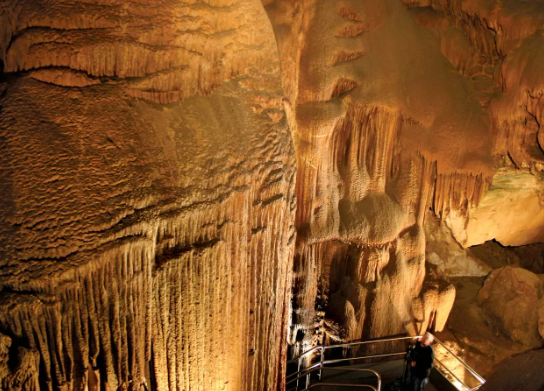
One of the most captivating aspects of Mammoth Cave is its unique geological features. Visitors can witness an array of formations known as speleothems, including stalactites and stalagmites, that have formed over centuries. These formations create an enchanting environment and can help scientists understand the cave’s history and climate patterns. Additionally, the cave’s long history includes the presence of various animal species, such as bats and unique invertebrates, that have adapted to the dark, moist conditions, contributing to the cave’s biodiversity.
The Role of Water in the Ecosystem
Water plays a crucial role in shaping the karst landscape of Mammoth Cave, and it is also vital for the local ecosystem. As the main source of nutrients, the water flowing through the cave interacts with both its geological features and the biological communities within. This relationship supports a diverse set of species that thrive in the cave’s unique environment. Recognizing the interdependence of water, geology, and life in Mammoth Cave helps visitors grasp the ecological significance of this underground wonder, inspiring conservation efforts for future generations.
In conclusion, the karst landscapes of Mammoth Cave offer a fascinating glimpse into the geological processes that shape our planet. Whether you’re a nature lover, a geology enthusiast, or simply someone looking for an unforgettable adventure, Mammoth Cave has something for everyone. Consider exploring this remarkable site in person to truly appreciate its beauty and the intricate connections of the ecosystem.