
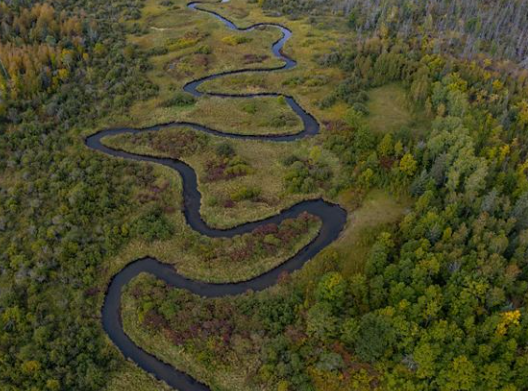
The Mississippi River is more than just a waterway; it is a dynamic geological marvel that has shaped the land around it for millions of years. Understanding how the river carved its basin not only sheds light on the landscape we see today but also deepens our appreciation for natural processes. This topic is relevant for anyone interested in geography, ecology, or the history of our planet.
The Geologic Forces at Play
The formation of the Mississippi River Basin is rooted in ancient geological processes. About 300 million years ago, the region where the Mississippi flows was part of a vast ocean floor. Over time, tectonic shifts and volcanic activity elevated landmasses, creating a complex terrain. As the sea receded, the river began to take shape, with its initial course influenced by the region’s underlying rocks and soils. Additionally, the Ice Ages played a significant role, as glaciers advanced and retreated, carving valleys and altering the region’s drainage patterns. This long history of geological evolution set the stage for the Mississippi River’s development.
Hydrological Changes: Water’s Vital Role
Hydrology, or the movement and distribution of water, has been instrumental in shaping the Mississippi River Basin. As rain fell and rivers emerged from the melting glaciers, they began to flow into the newly formed valleys. The cumulative effect of billions of gallons of water over thousands of years eroded soil and rock, carving deeper channels and widening the river’s banks. Seasonal flooding further contributed to this process by depositing sediment along the river, enriching the floodplain and reshaping the landscape. This intricate hydrological cycle not only formed the river but also created fertile lands that support diverse ecosystems and human agriculture today.
The River’s Impact on Ecosystems and Human History
The Mississippi River has profoundly influenced both natural ecosystems and human developments. Its floodplains are home to rich biodiversity, supporting species from migratory birds to aquatic life. The river serves as a critical habitat, providing food and shelter for countless organisms. For humans, the river has been a crucial transportation route for centuries, facilitating trade and commerce. Indigenous peoples thrived along its banks, and later, European settlers established towns and industries, all thanks to the river’s resources. Nowadays, understanding the river’s impact helps inform conservation efforts and sustainable management practices, ensuring that both the ecosystem and local communities can thrive together.
In conclusion, the Mississippi River’s journey through geological and hydrological processes has created a rich and complex basin that continues to impact the environment and communities around it. Whether you’re a nature enthusiast, a history buff, or simply curious about one of America’s most iconic rivers, exploring its history offers valuable insights into the power of natural forces. Learn more about the Mississippi River and its role in shaping our world, and perhaps consider visiting its banks to experience its grandeur firsthand!