
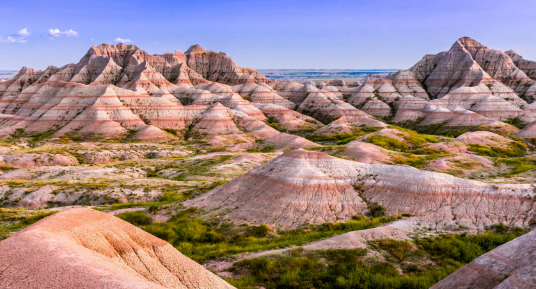
The Black Hills and Their Ancient Origins
The Black Hills, a stunning mountain range straddling South Dakota and parts of Wyoming, are celebrated for their breathtaking landscapes and rich cultural history. This region not only boasts unique geological formations but also holds deep spiritual significance for the Lakota Sioux and other Native American tribes. Understanding the Black Hills means appreciating their layered history and vital role in the cultural tapestry of the area.
Geological Marvels of the Black Hills
The formation of the Black Hills dates back around 1.7 billion years, making them one of the oldest mountain ranges in North America. Resembling a small island in a sea of plains, these mountains are primarily composed of granite, creating striking outcrops and sharp peaks. The region is also home to numerous caves and substantial geological features, such as the iconic Needles and Harney Peak, which is the highest point east of the Rockies. These geological wonders not only showcase natural beauty but also highlight a complex history of sedimentation and erosion, making the Black Hills an intriguing study for geologists and nature enthusiasts alike.
Cultural Significance and Historical Context
For centuries, the Black Hills have been a sacred space for Native American tribes, especially the Lakota Sioux, who consider them a place of spiritual heritage. The region is woven into the cultural narratives and creation stories of these tribes, symbolizing a connection to the land and their ancestors. Following U.S. expansion in the 19th century, the discovery of gold led to a series of conflicts, driving Native peoples from their homelands and fundamentally altering their relationship with this significant territory. The ongoing struggle for recognition and restoration of tribal rights surrounding the Black Hills reflects the resilience and enduring spirit of Indigenous communities, drawing attention to their history and cultural heritage.
Outdoor Adventures and Preservation
Today, the Black Hills attract visitors from around the globe eager to explore their rugged beauty. From hiking and biking trails to rock climbing and camping, there’s something for everyone. Notable areas like Custer State Park and the Badlands National Park provide countless opportunities for outdoor activities and wildlife viewing. Visitors can also learn about the history of the region by visiting monuments such as Mount Rushmore and Crazy Horse Memorial. However, as tourism grows, so does the importance of conservation and respectful tourism practices to ensure the preservation of this beautiful area for future generations. Engaging with the local tribes and learning about their history adds a meaningful dimension to any outdoor adventure.
In conclusion, the Black Hills are more than just a stunning mountain range; they embody a rich tapestry of geological, cultural, and historical significance. By exploring this beautiful area, you can connect with nature and gain insight into its deep-rooted history. Whether you are an outdoor enthusiast, a history buff, or someone looking to explore indigenous cultures, the Black Hills offer a remarkable experience. We encourage you to delve deeper into their stories and consider a visit to this extraordinary landscape.