
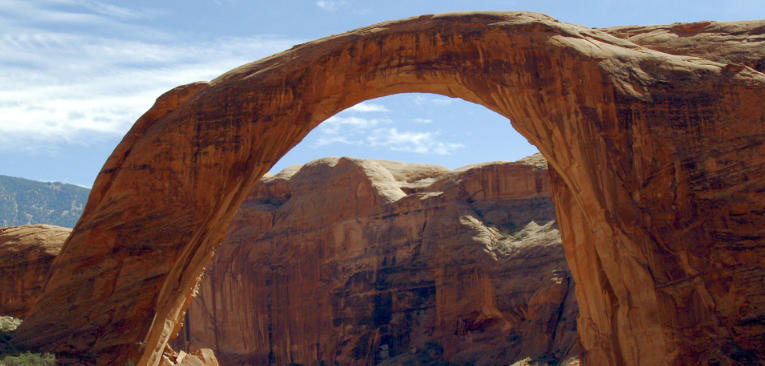
Arches National Park, nestled in eastern Utah, is a geological wonder filled with stunning natural stone arches and unique formations. Understanding how these breathtaking sites came to be can enhance your appreciation during a visit and ignite curiosity about the earth’s natural processes.
Geological Foundations: The Basics of Formation
The formation of Arches National Park can be traced back millions of years, beginning during the Era of the Late Jurassic period. This time frame witnessed significant geological activities, including the accumulation of salty deposits in ancient seas. Over time, the deposition of sand and silt created the foundation for the park’s present-day formations. As these layers hardened into sedimentary rock, the stages were set for the intricate natural sculptures that we marvel at today.
The Role of Erosion
Erosion plays a critical role in shaping the spectacular arches and spires found in the park. Wind, water, and ice work together to wear away the rock, carving out unique shapes over thousands of years. The famous Delicate Arch, for example, was formed through the gradual exposure of the rock’s softer layers, allowing the harder rock above to remain intact. This process continues today, meaning that these iconic structures are always changing, albeit at a pace that is often imperceptible to the casual observer.
Salt and Its Impact
A lesser-known yet crucial aspect of the park’s formation is the influence of salt. Beneath the surface lies a thick layer of salt beds that were deposited millions of years ago. As the earth shifts, salt can flow upward, causing the rocks above to fracture and create voids. This salt tectonics process has significant implications for the durability and stability of the arches. For instance, as the rock thins due to erosion, the presence of salt can either bolster or jeopardize the integrity of these magnificent structures, making them more susceptible to collapse over time.
Conclusion
The formation of Arches National Park is a fascinating story of geological processes spanning millions of years. The interplay of sediment, erosion, and salt dynamics has crafted the stunning landscapes we see today. If you’re intrigued by the natural world and its beautiful complexities, consider visiting Arches National Park. It offers not just breathtaking views but also a chance to witness the earth’s ongoing transformation. Whether you’re hiking through the park or simply gazing at its majestic arches, there’s a story waiting for you at every turn.