
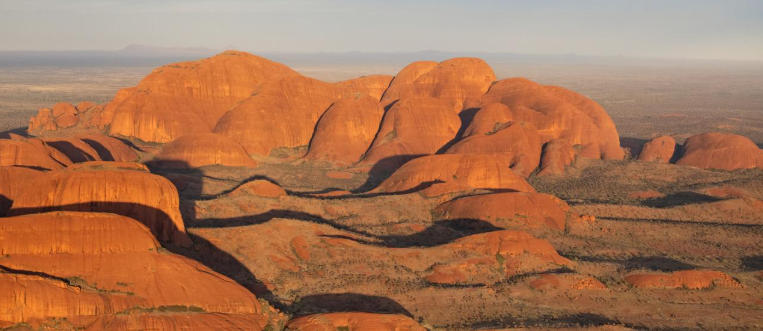
The geological connection between Uluru and Kata Tjuta offers a compelling glimpse into the processes that shaped the Australian landscape over millions of years. Understanding these formations not only deepens our appreciation for their natural beauty but also highlights their significance in Indigenous culture and geology. Exploring their links can inspire curiosity and respect for our planet’s history.
Formation and Composition
Uluru, also known as Ayers Rock, and Kata Tjuta, meaning “many heads,” are both anomalies within the expansive Central Australian desert. Formed approximately 500 million years ago, these iconic structures are remnants of a much larger sandstone formation that has eroded over time. Uluru is primarily composed of arkose, a type of sandstone rich in feldspar, while Kata Tjuta is made of conglomerate rock, formed from various sedimentary materials. This geological diversity showcases the different environmental conditions that influenced their formation and gives insight into the region’s geological history.
Geological History
The geological history of Uluru and Kata Tjuta can be traced back to a time when Australia was submerged beneath an ancient sea. As the sea receded, sediment was deposited, eventually compacting into the sedimentary rocks we see today. Over millions of years, tectonic activities caused the earth’s crust to uplift, leading to the emergence of these landmarks. Erosion from wind and rain has continued to shape them, revealing the intricate layers of rock that tell the story of an ever-evolving Earth.
Significance and Conservation
Uluru and Kata Tjuta are not only geological wonders but also hold immense cultural significance for the Anangu people, the traditional custodians of the land. These formations are interwoven with their cultural narratives, spirituality, and connection to the landscape. In recent years, efforts have been made to conserve these landmarks and promote responsible tourism, ensuring that visitors can appreciate their beauty while respecting their cultural heritage. Learning about their geological connections enriches the experience and encourages sustainable practices in this fragile environment.
As you discover the fascinating geological links between Uluru and Kata Tjuta, consider diving deeper into Australia’s rich natural and cultural history. Whether through further research or a visit to these stunning sites, there is much to learn and appreciate. Connecting with the land can inspire a greater sense of responsibility toward preserving its wonders for future generations.