
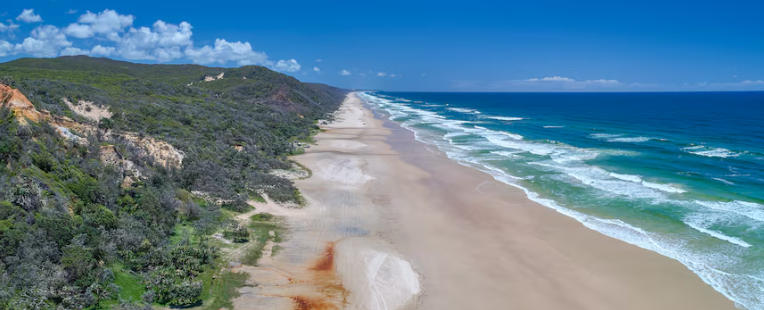
Fraser Island, known for its stunning landscapes and unique ecosystems, features some of the largest and most fascinating sand dunes in the world. Understanding the geology of these dunes reveals not only their formation and composition but also their significance in the local environment and tourism. This exploration provides insight into the natural processes that shape such remarkable landforms.
Formation of the Sand Dunes
The sand dunes of Fraser Island are primarily composed of silica, originating from the erosion of ancient rocks in the region. Over thousands of years, wind and water have played crucial roles in transporting this sand, leading to the formation of extensive dune systems. The dynamic interaction between wind patterns and coastal processes continually reshapes these dunes, making them one of the most active geomorphological features on the island.
Types of Dunes on Fraser Island
Fraser Island showcases a variety of dune types, each with distinct characteristics influenced by environmental conditions. Among the most notable are coastal dunes, which are formed by the action of wind on the beach, and parabolic dunes, which curve inland and are stabilized by vegetation. Additionally, the island features high dunes that can reach impressive heights, contributing to the breathtaking views and unique microclimates found throughout the area.
The Ecological Importance of Sand Dunes
The sand dunes of Fraser Island play a vital role in supporting diverse ecosystems. They provide habitats for numerous plant and animal species, some of which are endemic to the region. The the sandy environment promotes the growth of specialized vegetation that helps stabilize the dunes, which in turn protects inland areas from erosion and serves as a natural barrier against storms and high tides.
As you delve deeper into the geology of Fraser Island’s sand dunes, consider exploring the island’s trails or taking part in guided tours that emphasize its natural history. This unique landscape not only offers insights into geological processes but also encourages appreciation for the delicate ecosystems that depend on these remarkable formations. Engage with nature and learn more about the intricate relationships within this beautiful environment!