
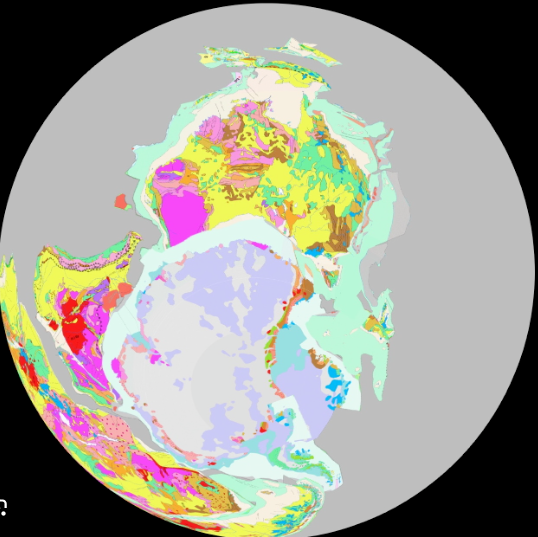
The geological history of continents reveals fascinating narratives that help us understand the Earth’s evolution. One such remarkable story is that of Australia and its drift from Antarctica, a journey marked by tectonic forces, climatic changes, and evolutionary milestones. Understanding this phenomenon not only sheds light on the past but also enhances our awareness of current ecological and climatic patterns.
The Geological Background
Australia was once part of the supercontinent Gondwana, which included Antarctica, South America, Africa, and parts of Asia. Around 180 million years ago, tectonic activity led to the gradual breakup of Gondwana, causing these landmasses to drift apart. The process of plate tectonics, driven by convection currents in the Earth’s mantle, facilitated Australia’s separation and movement away from Antarctica, ultimately leading to its current position.
As Australia drifted northward, significant climatic changes occurred. Initially, the region experienced a warmer, more humid climate conducive to diverse flora and fauna. However, over millions of years, the continent’s isolation and changing temperatures resulted in a more arid landscape. This shift not only influenced the types of vegetation that could thrive but also shaped the unique ecosystems, such as the Australian outback, which continue to evolve and adapt.
The Biological Consequences
The drift from Antarctica had profound effects on Australia’s biodiversity. Isolated from other landmasses, Australia became a refuge for species that evolved uniquely. Iconic animals such as kangaroos, koalas, and platypuses developed adaptations suited to the distinct Australian environment. This isolation also led to the preservation of ancient species and ecosystems, providing vital insights into evolutionary processes that are invaluable for scientific research today.
Australia’s geological journey from Antarctica is a captivating tale of movement, change, and resilience. By exploring this subject, we can gain a deeper appreciation for our planet’s history and the ecological narratives that shape our world. To delve further into this captivating story, consider researching regional geology or visiting museums dedicated to Earth sciences!