
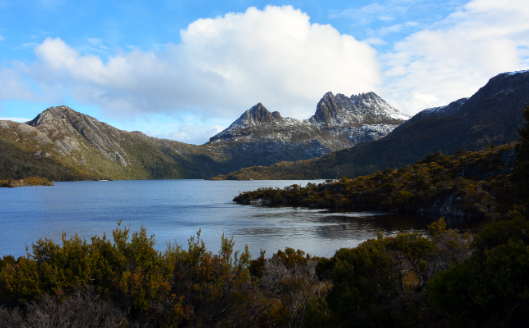
The Tasmanian Highlands, with their stunning landscapes and unique ecosystems, are a testament to the power of glaciation. Understanding how ice ages shaped this region provides insights into its geological history and current biodiversity. This topic also highlights the ongoing impacts of climate change and the need for conservation efforts in fragile environments.
Formation of Glacial Valleys
During the last Ice Age, massive glaciers carved out valleys in the Tasmanian Highlands, creating deep, U-shaped formations that are distinct to glacial activity. As glaciers advanced and retreated, they left behind a rugged topography, characterized by steep cliffs and flat-bottomed valleys. These features not only showcase the forces of nature but also influence the local climate and habitats that thrive in these areas.
Impact on Flora and Fauna
The glaciation process greatly influenced the biodiversity of the Tasmanian Highlands. Many plant species, such as the endemic rainforest vegetation, evolved in response to glacial conditions, resulting in unique ecosystems. Similarly, the ice ages impacted animal populations, leading to adaptations that are evident today, such as the resilience of species like the Tasmanian devil and the unique behaviors of various bird species. This intricate relationship between geology and biology underscores the importance of protecting these habitats.
Hydrology and Climate Change
Glaciation has also profoundly affected the hydrology of the Tasmanian Highlands, shaping river systems that provide essential water resources for both the environment and human activities. As glaciers melt due to rising global temperatures, the hydrology of the region is changing, potentially altering ecosystems and the overall landscape. Understanding these shifts is vital for environmental management and conservation, highlighting the ongoing relevance of glacial history in addressing contemporary challenges.
Exploring how glaciation shaped the Tasmanian Highlands opens up a world of geological and ecological wonders. Engaging with this knowledge encourages further exploration into conservation efforts and the impact of climate change. Consider visiting the region or researching more about its fascinating history to deepen your understanding and appreciation of this remarkable landscape.