
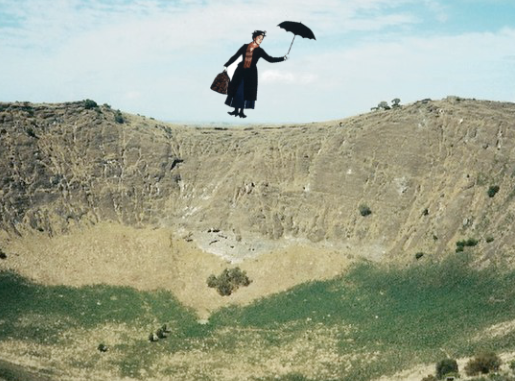
Australia’s volcanic fields and extinct craters are fascinating geological features that tell the story of the continent’s dynamic past. These formations provide insights into the processes that shaped Australia millions of years ago and continue to influence its landscape today. Understanding these sites not only highlights Australia’s natural history but also offers opportunities for exploration, research, and tourism.
Geological Significance
The volcanic fields of Australia are primarily found in regions like Victoria and New South Wales, showcasing diverse formations such as basalt columns and scoria cones. These areas were formed during periods of tectonic activity, which created a range of volcanic eruptions. The most active volcanic region is the Newer Volcanics Province, noted for its relatively young eruptions, with the most recent being about 10,000 years ago. Such geological activity has shaped not only the landforms but also the ecosystems that thrive in these unique environments.
Exploring Extinct Craters
Extinct craters like those at Mount Gambier in South Australia are often characterized by their stunning lakes and rich biodiversity. Crater lakes, such as Blue Lake, draw visitors with their vibrant colors and picturesque settings. These sites are also crucial for studying the natural history of volcanic activity in Australia, providing data on past climate changes and ecological shifts. Hiking and camping opportunities near these craters make them popular destinations for adventure seekers and nature lovers alike.
Cultural and Ecological Importance
Many volcanic regions in Australia hold significant cultural value for Indigenous communities, who have lived in harmony with these landscapes for thousands of years. These areas often contain sacred sites and resources that have historical and spiritual importance. Moreover, the unique ecosystems found in volcanic landscapes support diverse flora and fauna, some of which are endemic to these regions. Conservation efforts are underway to protect these environments, ensuring that both cultural heritage and ecological integrity are preserved for future generations.
In conclusion, Australia’s volcanic fields and extinct craters offer a captivating glimpse into the continent’s geological history and rich cultural heritage. Whether you’re interested in exploring these stunning landscapes or learning more about their significance, there is much to discover. Consider planning a visit or diving deeper into the study of these remarkable natural wonders to fully appreciate their impact on both the environment and human history.