
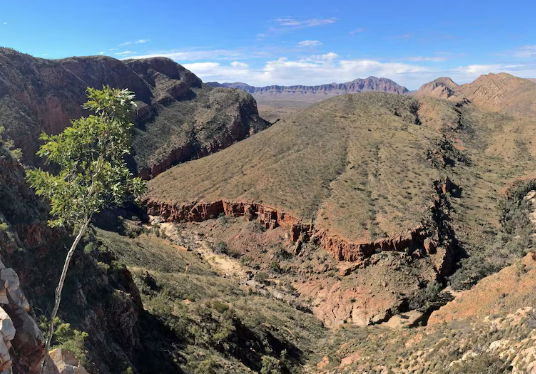
The story of the MacDonnell Ranges is a fascinating journey through geological time, revealing how natural forces shaped this remarkable landscape. Understanding the processes behind their formation provides insights into Earth’s complex history and can inspire both curiosity and appreciation for geology. This article will delve into the intricate processes that led to the folding of the MacDonnell Ranges, exploring the dynamics of plate tectonics and erosion that shaped this stunning region.
Plate Tectonics and the Birth of the Ranges
The formation of the MacDonnell Ranges can be traced back to millions of years of geological activity driven by plate tectonics. The movement of the Earth’s tectonic plates caused immense pressure to build up, resulting in the folding of sedimentary rock layers. This process, known as orogeny, occurred during the Alice Springs Orogeny, which began around 300 million years ago. Erosion played a crucial role in exposing these folded layers, revealing the dramatic contours of the ranges we see today.
The Impact of Erosion on the Landscape
As the folded rocks of the MacDonnell Ranges emerged from beneath the surface, erosion began to sculpt the landscape. Wind, water, and temperature fluctuations worked collaboratively to wear down the rock formations over time. This erosion has created deep gorges, towering cliffs, and diverse ecosystems, adding to the scenic beauty and ecological significance of the area. Today, the combination of erosion and geological activity has produced a unique topography that attracts visitors and researchers alike.
Modern Observations and Geological Studies
Geologists today continue to study the MacDonnell Ranges to understand better the complexities of its formation and evolution. Recent advances in technology, such as satellite imagery and geological mapping, have allowed scientists to gain new insights into past earth movements and their impact on the existing landscape. Ongoing research not only aids in preserving this natural treasure but also enhances our understanding of similar geological formations worldwide. The MacDonnell Ranges serve as a living laboratory for geology enthusiasts and experts, offering a chance to observe the processes that have shaped our planet.
Exploring the story of the MacDonnell Ranges reveals the intricate interplay between geological forces and the environment, enriching our appreciation of this unique landscape. Whether you’re a geology lover or a curious traveler, delving deeper into the history of the MacDonnell Ranges can enhance your next adventure. Consider visiting or researching more about this awe-inspiring region to experience its beauty firsthand!