
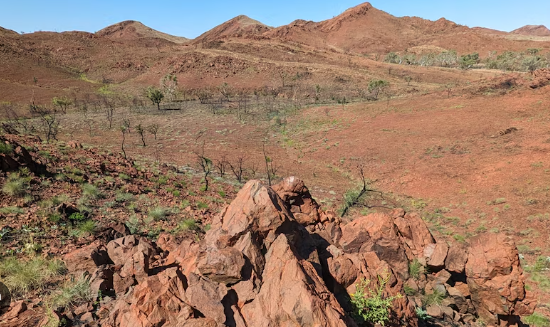
The Pilbara Craton, located in Western Australia, is a treasure trove of geological wonders, offering insights into the Earth’s history and evolutionary processes. Its ancient rock formations and diverse landscapes make it a significant area for both scientific research and tourism, attracting geologists and adventure seekers alike. Understanding this region’s geological features provides valuable information about the planet’s development and its natural resources.
Ancient Rock Formations
The Pilbara Craton is home to some of the oldest rocks on Earth, with formations dating back more than 3.5 billion years. These ancient rocks, primarily composed of granite and greenstone, serve as a window into the early conditions of our planet. Studying these formations helps scientists understand tectonic processes and the formation of continental crust. Additionally, the presence of well-preserved banded iron formations in the region highlights the significance of these geological features in Earth’s atmospheric evolution, particularly concerning oxygen development.
Diverse Landscapes and Terrain
The craton showcases a variety of landscapes, from scrubland to rugged mountains. Its unique geological processes have led to the formation of intricate gorges, valleys, and plateaus, providing a stunning backdrop for exploration. Notable features like the Hamersley Ranges and Karijini National Park draw visitors for their breathtaking scenery and opportunities for outdoor activities such as hiking and rock climbing. These landscapes not only enhance the area’s beauty but also offer vital habitats for numerous flora and fauna species, making the Pilbara a rich ecological zone.
Mineral Resources and Economic Importance
Rich in mineral deposits, the Pilbara Craton plays a pivotal role in the mining industry, particularly for iron ore, gold, and other valuable resources. The region is one of the world’s top producers of iron ore, contributing significantly to Australia’s economy. Extraction and processing of these minerals have been closely linked to the area’s development, influencing both local communities and international trade. This economic activity emphasizes the importance of sustainable mining practices to preserve the delicate balance between resource extraction and environmental conservation.
In conclusion, the geological features of the Pilbara Craton offer a fascinating glimpse into our planet’s history and present crucial economic opportunities. Whether you’re a geology enthusiast or a nature lover, there is much to discover in this remarkable region. Explore further and consider visiting the Pilbara to experience its stunning landscapes and rich geological heritage firsthand!