
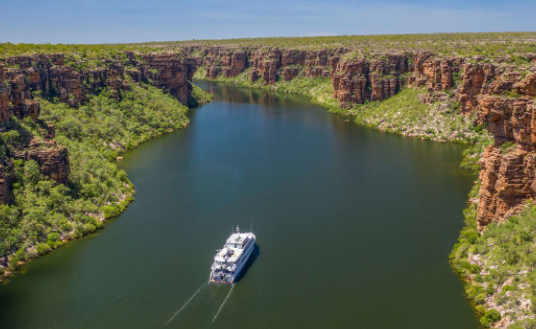
The Kimberley Region, located in the northwest of Australia, is one of the world’s last true frontiers, encompassing diverse ecosystems, rugged landscapes, and a rich cultural history. Understanding how this region formed over billions of years offers insight into Earth’s geological processes and strengthens our appreciation for its unique environment. Exploring its origins not only reveals the history of the land but also highlights the importance of preserving its natural beauty for future generations.
The Geological Foundations
The Kimberley Region’s formation began over 3.5 billion years ago, during a time when geological processes were vastly different from today. The area is primarily composed of ancient rock formations known as the Pilbara Craton and the Kimberley Basin, which were shaped by tectonic activity, volcanic eruptions, and erosion. Through millions of years, these processes created the intricate landscapes that include cliffs, gorges, and waterfalls, exemplified by the iconic Bungle Bungles and Gorges of the Ord River.
Climate and Erosion’s Role
Over time, climatic changes have significantly influenced the Kimberley’s geological landscape. The region typically experiences a tropical climate with distinct wet and dry seasons, which contributes to the erosion of rocks and the development of its unique features. Rivers like the Fitzroy and Ord have carved out deep gorges and valleys, while seasonal rains flood these waterways, further shaping the topography. This interplay between climate and geology not only sculpted the land but also created habitats rich in biodiversity.
Cultural Significance and Environmental Preservation
The Kimberley is not just a geological marvel; it is also home to one of the longest continuous cultures in the world, with Indigenous Australians having lived in the region for tens of thousands of years. The land holds profound cultural and spiritual significance for these communities, whose connection to the land is steeped in tradition and respect. As understanding of climate change and environmental impacts grows, it becomes crucial to protect the Kimberley’s delicate ecosystems while preserving its rich cultural heritage for future generations.
Learning about the formation of the Kimberley Region enriches our understanding of Earth’s geological history and highlights the importance of conservation. By exploring and engaging with the region, we can both appreciate its natural wonders and support efforts aimed at preserving its unique landscapes and cultural treasures. Dive deeper into this mesmerizing area and discover how to contribute to its protection today!