
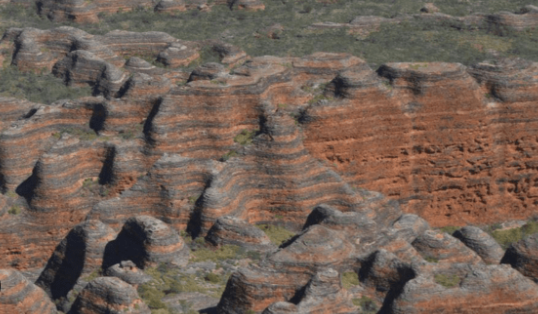
Understanding the processes that shape the landscape is essential for appreciating the natural beauty of Australia. Weathering, the breakdown of rocks and minerals at the Earth’s surface, plays a crucial role in this transformation. By examining how weathering influences landforms, we gain insight into the complex interactions between nature and the environment.
Types of Weathering and Their Impacts
Weathering is primarily classified into two types: mechanical and chemical. Mechanical weathering, such as freeze-thaw cycles, occurs when physical forces break down rocks without altering their chemical composition. In contrast, chemical weathering involves changes in mineral structures through reactions with water and gases. Both types contribute significantly to the erosion and formation of unique Australian landforms, such as the vast sandstone cliffs of the Blue Mountains.
Weathering and Landform Diversity
The diversity of Australia’s landforms is closely linked to weathering processes. In regions with arid climates, like central Australia, physical weathering is predominant due to temperature fluctuations that cause rocks to fracture. Meanwhile, in tropical areas, chemical weathering prevails, leading to the formation of features like limestone caves in places such as the Nullarbor Plain. This interaction creates a variety of landscapes, from rugged mountains to smooth plains, showcasing the impact of weathering on geological diversity.
Ecological Consequences of Weathering
Weathering not only shapes the physical landscape but also influences the ecological systems that depend on these landforms. The breakdown of rocks releases essential minerals into the soil, promoting plant growth and sustaining diverse ecosystems. For instance, the nutrient-rich red soil of parts of Australia, resulting from weathering, supports unique flora and fauna. Understanding these relationships highlights the importance of weathering in maintaining ecological balance and biodiversity across the continent.
Weathering is a fundamental process that shapes the Australian landscape while also impacting its ecosystems. From the majestic mountains to the iconic caves, weathering demonstrates nature’s sculpting power. Explore more about Australia’s geological wonders and discover how you can appreciate these natural phenomena in your surroundings!