
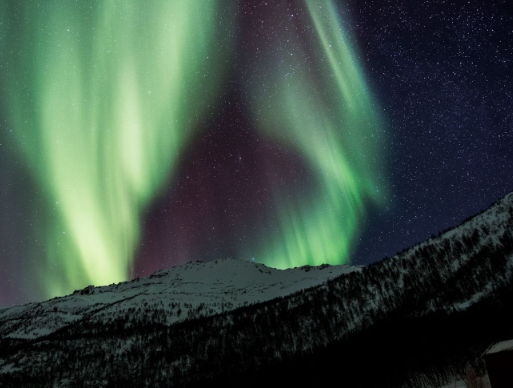
The Northern Lights and Norway’s Geography
The Northern Lights, or Aurora Borealis, are a breathtaking natural phenomenon that captivates countless travelers. With Norway’s unique geography—a blend of mountains, fjords, and open skies—this country becomes one of the best locations to witness the spectacle. Exploring this topic allows us to appreciate not just the beauty of the lights, but also how Norway’s landscape enhances the experience.
Where to Experience the Northern Lights in Norway
Norway offers numerous prime locations for viewing the Northern Lights, each providing a unique experience. Tromsø, located above the Arctic Circle, is often dubbed the “Gateway to the Arctic.” With its clear skies and minimal light pollution, it presents one of the best chances for sightings. The Lofoten Islands, known for their dramatic scenery and rugged landscapes, also attract visitors seeking the auroras. Additionally, the North Cape boasts breathtaking views and is a popular spot for Northern Lights enthusiasts. Each location adds its own charm, making every experience special.
The Geography that Creates a Perfect Backdrop
Norway’s diverse geography plays a crucial role in the visibility of the Northern Lights. The country features vast stretches of flat lands and towering mountains, which help to create open spaces and unobstructed views of the night sky. The presence of fjords not only contributes to the picturesque landscapes but also allows for varied weather patterns, which can lead to clearer nights when the auroras are most visible. The interplay between elevation and proximity to the coast further enhances the brightness and clarity of the lights.
The Science Behind the Spectacle
Understanding the science behind the Northern Lights enhances the appreciation of this phenomenon. The Aurora Borealis is caused by charged particles from the sun colliding with Earth’s atmosphere. Norway’s high latitude places it in position to capture these particles more effectively. The colors of the lights—ranging from green to pink and blue—are influenced by the types of gases in the atmosphere, as well as the altitude at which the collisions occur. This scientific backdrop gives depth to the viewing experience, enriching the wonder of the auroras against Norway’s stunning geography.
In conclusion, witnessing the Northern Lights in Norway is more than just a visual feast; it’s an adventure steeped in natural beauty and scientific marvel. If you’re considering a trip, explore various locations to find the perfect spot and time for your viewing. Embrace the magic of the auroras and the splendor of Norway’s landscapes—there’s so much to discover! For more information on planning your adventure, research local tours and accommodation options, and get ready for an unforgettable experience under the stars.