
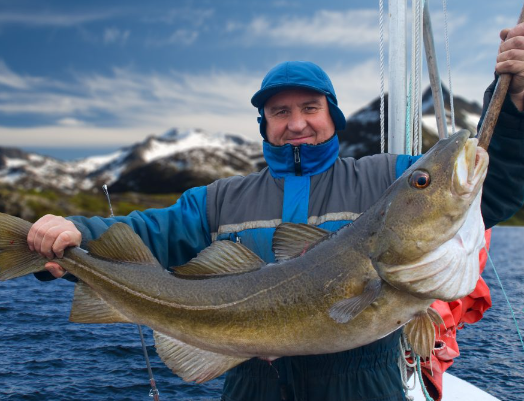
How Coastal Geography Affects Norwegian Fishing
Norwegian fishing is not just an industry; it’s a vital part of the country’s culture and economy. The unique coastal geography of Norway plays a significant role in shaping fishing practices, types of fish available, and overall economic sustainability. Understanding these geographical factors can help both locals and visitors appreciate how Norway’s stunning landscapes influence its fishing traditions.
The Influence of Fjords and Coastal Inlets
Norway is famous for its deep fjords and intricate coastal inlets, which create rich ecosystems that support a diverse array of fish. These sheltered waters provide safe havens for young fish to grow and develop away from stronger ocean currents. Species such as cod, haddock, and mackerel thrive in these nutrient-rich environments, making fishing more productive. The positioning of these fjords also enables fishermen to access prime fishing spots with relative ease, ensuring that local communities can continue their time-honored traditions while also benefiting from modern fishing technology.
Seasonal Changes in Geography and Fish Migration
The geographical features of Norway, combined with seasonal changes, significantly impact fish migration patterns. During the winter months, cold water temperatures prompt many fish species to move south to find warmer waters. In contrast, as temperatures rise in the summer, fish return to the northern fjords to spawn. This cyclical pattern creates peak fishing seasons, allowing commercial and recreational fishermen to optimize their catches. Understanding these patterns is crucial for sustainable fishing practices, ensuring that stocks remain healthy for future generations.
Environmental Concerns and Sustainable Fishing Practices
The unique coastal geography of Norway is also a double-edged sword. While it supports a thriving fishing industry, it is vulnerable to environmental changes, including climate change and pollution. Rising sea temperatures and changes in water salinity can disrupt fish populations and their habitats. To combat these issues, Norway has implemented strict regulations to promote sustainable fishing practices, including quota systems and protected marine areas. These measures are essential for maintaining the ecological balance and ensuring that fishing remains a sustainable livelihood for those who depend on it.
In conclusion, the coastal geography of Norway significantly influences its fishing industry, shaping everything from the types of species caught to seasonal fishing practices. As we face environmental challenges, it is vital to understand and appreciate the interconnectedness of geography and fishing. To learn more about Norway’s fishing heritage and the importance of sustainability, consider exploring local fisheries or educational programs focused on marine conservation. Your journey into this fascinating world could make a difference!