
Exploring the Geography of the Lofoten Islands
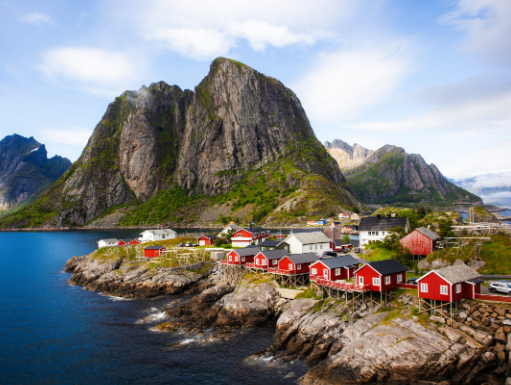
The Lofoten Islands, located above the Arctic Circle in Norway, are renowned for their dramatic scenery, picturesque fishing villages, and rich cultural heritage. This unique archipelago offers explorers an unparalleled opportunity to witness stark mountain peaks, tranquil fjords, and striking coastlines. Understanding the geography of these islands not only enhances your appreciation of their natural beauty but also helps you navigate this remarkable environment.
The Unique Topography of Lofoten
Lofoten’s topography is a captivating blend of jagged peaks and deep blue waters. The islands are characterized by towering mountains—the highest being Higravtinden at 1,145 meters—plunging directly into the sea. This rugged terrain creates stunning panoramic views and countless hiking opportunities. The region’s complex geography includes deep fjords, idyllic beaches, and lush valleys, which host diverse ecosystems. Explorers can traverse various landscapes within a single day, from hiking among the peaks to relaxing on sun-soaked beaches, making it a unique playground for nature lovers.
Fjords and Beaches: Nature’s Artistry
The Lofoten Islands are home to some of the most beautiful fjords in the world. These deep, narrow inlets are shaped by glacial activity and are often surrounded by dramatic cliffs. Reinefjorden and Eyjafjorden are two notable examples, offering breathtaking views and excellent opportunities for kayaking and fishing. Alongside these fjords, Lofoten boasts stunning beaches such as Rambergstranda and Haukland, known for their soft white sands and turquoise waters. The juxtaposition of mountains against the coastline creates an awe-inspiring landscape that attracts photographers, adventurers, and beachgoers alike.
The Midnight Sun and Polar Nights
The unique geography of Lofoten leads to extraordinary phenomena such as the Midnight Sun and Polar Nights. Between late May and mid-July, the sun remains above the horizon 24 hours a day, allowing visitors to enjoy endless hours of daylight for outdoor activities. Conversely, from late November to mid-January, the islands experience Polar Nights, where the sun doesn’t rise, creating a magical twilight atmosphere. This unique light showcases the islands’ landscapes in different seasons, providing experiences that range from vibrant summer hikes to serene winter adventures, enchanting every type of traveler.
In conclusion, the geography of the Lofoten Islands is both diverse and breathtaking, offering a multitude of experiences for visitors. Whether you seek to explore rugged peaks, relax on beautiful beaches, or witness the captivating light phenomena, these islands promise an unforgettable adventure. So pack your bags, grab your camera, and set out to discover the incredible landscapes of Lofoten for yourself!